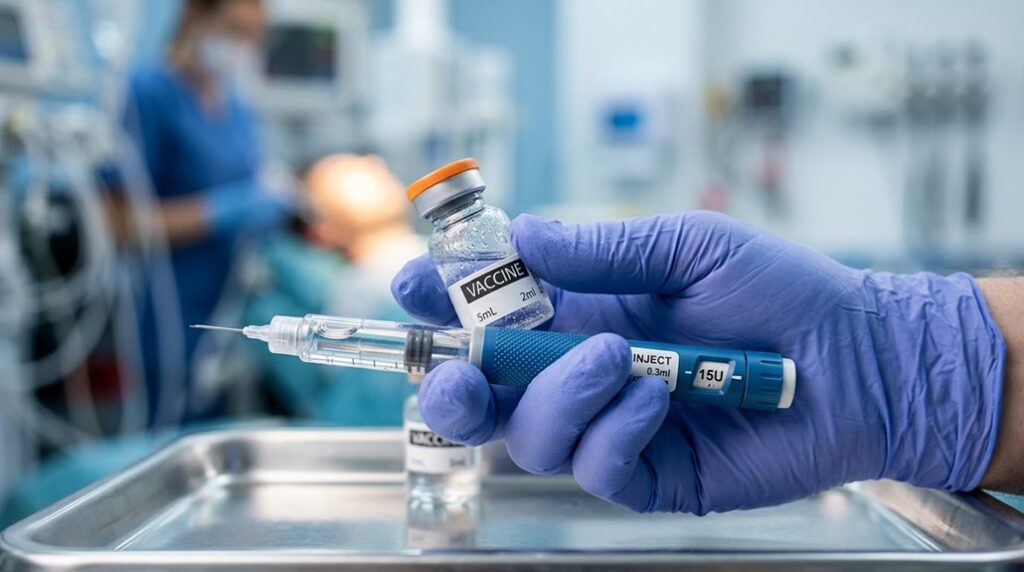
Research on microdosing peptides indicates that administering very low doses aims to achieve specific benefits, such as improved metabolic regulation or anti-aging effects, while reducing side effects. However, scientific evidence supporting safety and efficacy remains limited, as most studies focus on biological activity or safety profiles rather than proven benefits. Responses vary based on peptide type, individual health, and dosage, making personalized approaches essential. Continuing exploration reveals important safety considerations and best practices, essential for responsible use.
TLDR
- Research on peptide microdosing is limited, with most evidence stemming from preliminary studies and anecdotal reports.
- Emerging research explores subtherapeutic doses for immune modulation and other targeted effects, but long-term safety remains unestablished.
- Peptides exhibit complex, often nonlinear dose-response relationships, making optimal dosing and efficacy unclear.
- No clinical trials definitively confirm safety or effectiveness of microdosing specific peptides, emphasizing its experimental nature.
- Safety concerns include product quality issues, dosing inaccuracies, and potential adverse effects, requiring cautious, monitored use.
What Is Peptide Microdosing and Why Do People Try It?

Peptide microdosing involves administering very small quantities of peptide compounds—much lower than standard or therapeutic doses—primarily aimed at utilizing specific benefits while minimizing potential side effects.
People try it mainly for weight control, craving reduction, or steadier energy, often seeking a gentler, customizable approach.
Despite limited research, social media and wellness trends keep this low-dose practice popular.
How Is Microdosing Defined in Peptide Therapy?
Microdosing in peptide therapy is generally understood as administering doses below the standard therapeutic amounts, aiming to achieve specific biological effects with minimal side effects.
An emerging area in peptide vaccine research explores how targeted, subtherapeutic dosing can modulate immune responses while potentially reducing adverse events, which may inform broader strategies in peptide-based immunogens peptide vaccine and immune modulation.
Does Microdosing Peptides Offer Benefits Over Standard Dosing?
While microdosing peptides is often promoted for its potential to minimize side effects, current evidence doesn’t conclusively demonstrate that it offers superior therapeutic outcomes compared to standard dosing protocols.
New research approaches emphasize that dose-ranging and careful monitoring are essential to understand how small dosing increments influence safety and efficacy, particularly in relation to pharmacokinetics and receptor engagement dose-ranging studies.
Many protocols favor starting with low doses to assess tolerability, but research shows no consistent benefit in efficacy or safety.
Individualized titration remains the most supported approach based on current data.
What Evidence Supports the Effectiveness and Safety of Microdosing?

Currently, the scientific evidence supporting the effectiveness and safety of microdosing peptides is limited, as most research focuses on standard therapeutic doses rather than small, sub-therapeutic amounts.
While some low-dose studies suggest biological activity and tolerability, these findings don’t establish consistent benefits or long-term safety across different peptides, given their unique pharmacokinetics and mechanisms.
Tesamorelin and sermorelin operate by stimulating the hypothalamic-pituitary axis to increase growth hormone release, but they differ in their receptor targets, pharmacokinetics, and clinical applications. growth hormone pathways can influence downstream metabolic and regenerative processes, which is relevant when considering microdosing implications.
Consequently, it’s essential to approach microdosing with caution, recognizing that definitive proof remains scarce and that individual responses can vary due to complex biological factors.
Limited Clinical Evidence
Despite growing interest in peptide microdosing for various health and wellness claims, the current scientific evidence supporting its effectiveness and safety remains limited and largely inconclusive.
Human trials are scarce, with most data derived from animal or laboratory studies.
Established peptide drugs have evidence at standard doses, but no clinical trials confirm microdose efficacy or safety, highlighting a significant research gap.
Safety Uncertainties
What makes understanding the safety of peptide microdosing particularly challenging is the absence of standardized dosing protocols, which means safety depends heavily on the specific compound, formulation, and route of administration.
Risks include contamination, measurement errors, variable purity, and unpredictable side effects, especially with nonapproved products.
These uncertainties highlight the importance of professional guidance and cautious, informed use.
What Are the Risks and Safety Concerns of Peptide Microdosing?

Peptide microdosing, while increasingly popular for its potential benefits, carries several significant risks and safety concerns that you should carefully consider before proceeding.
Unregulated products may contain contaminants or impurities, dosing inaccuracies can lead to overdose or underdose, and immune responses or organ stress may occur.
Limited long-term data further complicates understanding the full safety profile of microdosed peptides.
Peptide exposure can provoke variable biological responses depending on the peptide, dose, and individual health status, underscoring the need for careful evaluation and monitoring. biological responses
How Do Different Peptides Respond to Microdosing?
Different peptides respond to microdosing in ways that can vary widely depending on their class and intended function, with dose-response relationships often exhibiting sharp, nonlinear patterns.
For example, dose-response characteristics can differ between immune-targeting and antimicrobial peptides, reflecting distinct mechanisms that influence how small dose changes shift outcomes. peptide pharmacodynamics
Variable Dose Responses
Understanding how peptides respond to microdosing requires an appreciation of their unique dose-response behaviors, which can vary markedly across different classes and targets.
Some peptides exhibit sigmoidal curves, where effects rise quickly and then plateau, while others show biphasic or hormetic patterns, where low and high doses produce different outcomes.
This highlights the importance of precise dose management for ideal, consistent effects.
Peptide-Specific Effects
The response to microdosing varies considerably across different classes of peptides, influenced by their unique mechanisms of action, receptor interactions, and downstream biological effects.
For example, GLP-1 peptides can demonstrate target engagement at microdose levels without significant pharmacologic effects.
Meanwhile, growth hormone–related peptides like Ipamorelin or Hexarelin show receptor-specific hormonal responses, often related more to receptor selectivity than to dose size.
What Research Gaps Exist in Peptide Microdosing?
Despite growing interest in peptide microdosing, significant gaps in the research base limit our understanding of its safety, efficacy, and ideal protocols. Most claims rely on limited human or animal data, with minimal long-term safety information. Uncertainty remains about best doses, delivery methods, and how microdosing compares to standard therapies, underscoring the need for more rigorous, systematic studies. Weight regain after stopping GLP-1 treatment is a notable pattern observed in obesity research, highlighting the importance of understanding mechanisms that sustain weight loss beyond pharmacotherapy. Long-term safety data remain sparse for many peptide regimens, and this gap complicates clinical decision-making and patient counseling.
How Can You Use Peptides Safely and Responsibly?
Using peptides responsibly requires careful attention to sourcing, dosing, and administration practices to minimize risks and guarantee safety. Always choose products from reputable sources, adhere strictly to prescribed doses, and avoid self-experimentation. Proper injection techniques, sterile practices, and medical oversight help prevent complications like infections or adverse reactions. Regular monitoring and disclosure of all substances used promote safer, informed use. Purity testing is essential to verify that what’s in a vial matches what’s stated, reducing the risk of contaminants or mislabeled products.
Final Tips for Informed and Safe Peptide Microdosing

Exploring the terrain of peptide microdosing requires a careful approach grounded in knowledge, vigilance, and a commitment to safety, especially given the limited evidence supporting many protocols.
Guarantee product quality by sourcing from reputable providers, verify precise dosing through accurate measurement, and monitor for adverse effects.
Always treat microdosing as experimental, seek medical oversight, and prioritize established safety profiles over unregulated products.
Additionally, consider the potential for interactions among peptide stacks and approach any combination therapy with caution to avoid unforeseen synergistic risks peptide interactions and maintain rigorous monitoring of outcomes.
Frequently Asked Questions
Are There Approved Guidelines for Microdosing Peptides in Clinical Practice?
You won’t find approved guidelines for microdosing peptides in clinical practice, as regulatory agencies haven’t endorsed it. It’s off-label, unstandardized, and relies on individual practitioner protocols without consistent safety, efficacy, or monitoring standards.
How Do Individual Differences Affect Responses to Peptide Microdosing?
Your response to peptide microdosing varies because genetic factors, age, sex, body composition, and baseline health influence how your body metabolizes and reacts. These differences determine whether you’ll need lower or higher doses for effective results.
What Are the Legal Considerations for Purchasing and Using Research Peptides?
You can legally buy and possess research peptides for lab use if labeled properly and used solely for research. Avoid marketing claims about health benefits or human use, and guarantee documentation and supplier records support your research intent.
Can Microdosing Peptides Be Combined With Other Treatments Safely?
You can combine microdosing peptides with other treatments safely if you consult your healthcare provider, guarantee proper monitoring, and stick to regulated sources. Avoid unregulated products and be cautious about drug interactions, especially with medications for chronic conditions.
What Monitoring Is Recommended During Peptide Microdosing Protocols?
During peptide microdosing, you should monitor essential signs weekly, watch for injection site reactions and side effects, and perform regular labs every 4-8 weeks to track glucose, kidney, liver function, and peptide-specific markers, adjusting or stopping as needed.
Final Note
In conclusion, peptide microdosing presents a promising approach with potential benefits, but it requires careful consideration of current research, safety protocols, and individual responses. By understanding the mechanisms, acknowledging existing knowledge gaps, and adhering to responsible practices, you can make informed decisions that prioritize your health and safety. Consulting healthcare professionals and relying on evidence-based information are essential steps to guarantee that microdosing aligns with your personal health goals and minimizes risks.
References
- https://podcasts.apple.com/us/podcast/podcast/id1879947678/episodes?l=ko
- https://www.longevity-institute.com/treatments-resources/is-peptide-therapy-safe
- https://ubiehealth.com/doctors-note/peptides-safety-essentials-42-risky-peptides-avoid93q11
- https://www.healthline.com/health/are-peptides-safe
- https://biomedgrid.com/pdf/AJBSR.MS.ID.003647.pdf
- https://www.tandfonline.com/doi/full/10.4155/bio.12.297
- https://podcasts.apple.com/ca/podcast/peptides-explained/id1879947678
- https://www.aarp.org/health/drugs-supplements/are-peptides-safe-for-older-adults/
- https://www.ama-assn.org/public-health/prevention-wellness/what-doctors-want-patients-know-about-injectable-peptides
- https://healthrx.com/mots-c-v2/microdosing-protocols