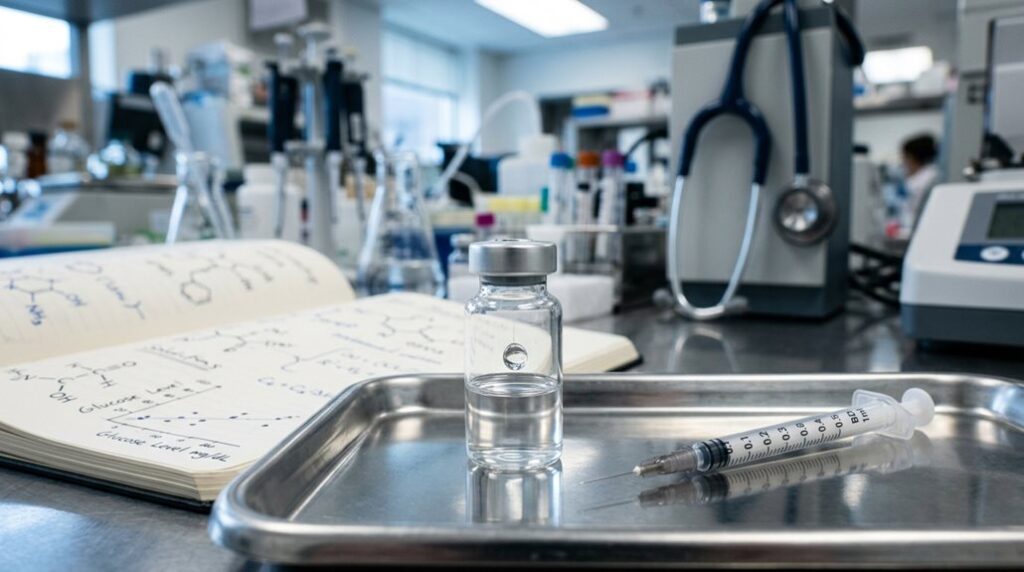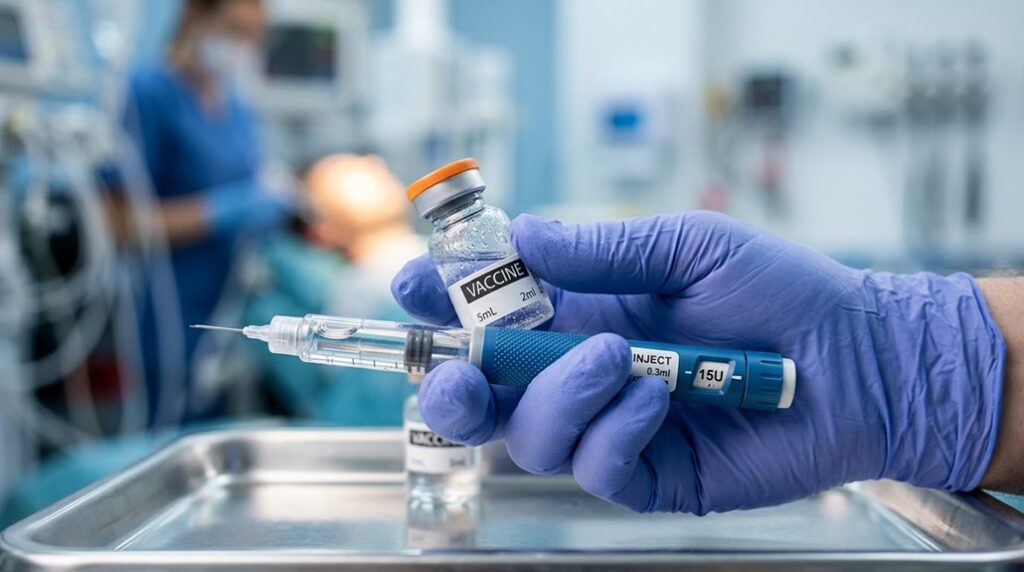
Emerging research in peptide oral delivery focuses on overcoming barriers such as enzymatic degradation, poor absorption, and first-pass metabolism that limit bioavailability. Innovative approaches, including buccal patches and microneedle technologies, enhance stability, adhesion, and targeted delivery by bypassing gastrointestinal degradation. Advances in biodegradable, bioinspired materials further improve permeability and sustain release, though challenges remain in ensuring consistent absorption and regulatory approval. Continuing exploration will reveal how these strategies evolve to offer more effective, patient-friendly peptide therapeutics.
TLDR
- Emerging buccal and oral patches combine mucoadhesion with controlled release to enhance peptide stability and absorption.
- Advances include biodegradable, bioinspired patches utilizing functionalized copolymers to improve permeability and sustainability.
- Micro- and nano-needle technologies create microchannels, increasing local peptide concentration and bypassing enzymatic barriers.
- Formulation strategies aim to overcome mucosal enzymatic degradation, limited epithelial transport, and first-pass metabolism.
- Challenges remain in ensuring stability, manufacturing scalability, regulatory approval, and consistent absorption in clinical settings.
What Are the Main Barriers to Oral Peptide Delivery?
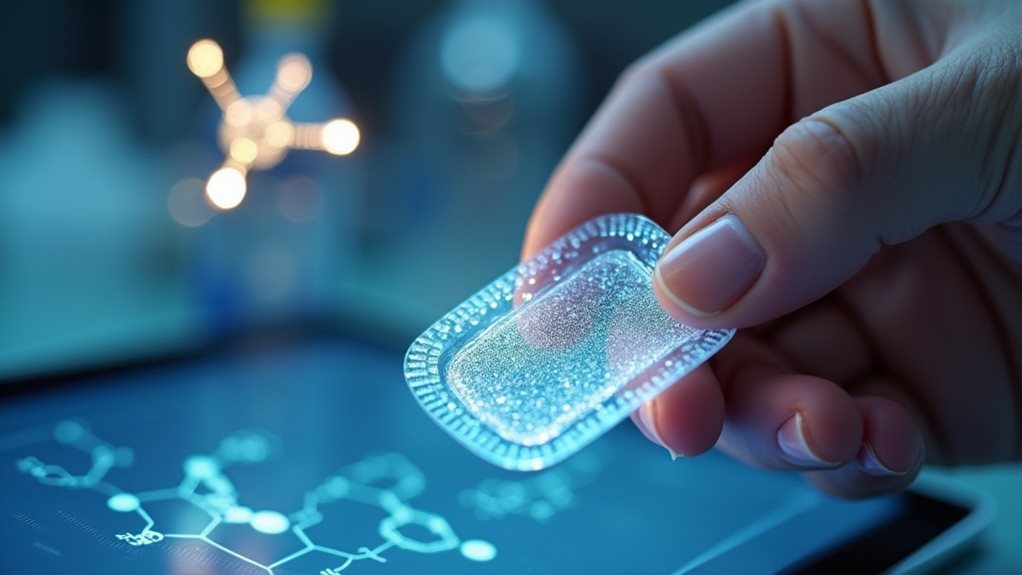
Providing peptides orally presents significant challenges primarily because of multiple interconnected barriers within the gastrointestinal (GI) tract, which hinder their stability, absorption, and systemic availability. These include physicochemical barriers like large size and polarity.
Enzymatic degradation from gastric enzymes, mucus and epithelial barriers limiting absorption, and first-pass metabolism all contribute to these challenges.
All of these factors drastically reduce the chances of effective oral delivery without advanced formulation strategies.
Current Strategies for Buccal and Oral Patches
Buccal and oral patches offer a promising approach to peptide delivery by combining mucoadhesive properties with controlled release, which can enhance drug residence time and absorption efficiency.
However, ensuring safety and consistent efficacy remains challenging, as formulation stability, potential mucosal irritation, and individual variability can affect performance.
In addition, ongoing research is examining how peptide stability and transport mechanisms are influenced by the oral mucosa and patch matrix to further optimize bioavailability peptide stability.
Mucoadhesive Film Advantages
Mucoadhesive films offer several persuasive advantages for buccal and oral drug delivery, particularly when administering peptides, which are often sensitive to the harsh environment of the gastrointestinal tract.
They maintain prolonged contact, enhance mucosal absorption through sustained local concentration, and bypass degradation and first-pass metabolism.
This provides a non-invasive, patient-friendly alternative that guarantees better stability and more efficient systemic delivery.
Safety and Efficacy Challenges
While mucoadhesive films and patches show promise, safety and efficacy challenges persist. Peptides risk enzymatic degradation, salivary wash-off, and limited mucosal permeability, which reduce absorption and bioavailability.
Additionally, local discomfort, toxicity, and variability in saliva flow or patch placement can hinder reliable delivery. This demands careful formulation and device design to guarantee safety, effectiveness, and patient comfort.
How Do Patch and Microneedle Technologies Improve Peptide Absorption?
Patch and microneedle technologies enhance peptide absorption by improving mucosal adhesion, which allows the delivery system to stay in close contact with the skin or mucous membranes. This increases the likelihood of effective absorption.
They also enable targeted delivery mechanisms that concentrate peptides at specific skin layers or tissues. This reduces the risk of degradation and ensures more efficient uptake.
Additionally, these methods minimize exposure to enzymes and other degradative factors, which commonly break down peptides in the gastrointestinal tract or on the skin surface. This ultimately increases overall bioavailability.
In addition, some research suggests that these approaches can modulate local microenvironments to support more sustained peptide presence at the absorption site peptide stability.
Enhanced Mucosal Adhesion
Have you ever wondered how peptide delivery systems overcome natural barriers to improve absorption?
Enhanced mucosal adhesion plays a critical role by increasing residence time at mucosal surfaces, supporting sustained release, and concentrating peptides near absorption sites.
This adhesion, achieved through specialized polymers and device designs, helps protect peptides from degradation and promotes more effective, targeted uptake.
Targeted Delivery Mechanisms
How do innovative delivery technologies like patches and microneedles enhance peptide absorption by overcoming the body’s natural barriers? They do so by creating microchannels through the skin or mucosa, increasing local concentration at absorption sites, and targeting specific epithelial transport routes.
Controlled release mechanisms further optimize tissue contact, improving bioavailability and ensuring peptides reach their intended destination efficiently.
Reduced Degradation Risks
Innovative delivery systems such as patches and microneedles considerably reduce the risk of peptide degradation by providing targeted protection and precise delivery, thereby enhancing absorption efficiency.
Buccal patches shield peptides from enzymatic breakdown and saliva washout.
Microneedles bypass stomach acid and digestive enzymes, delivering peptides directly into tissues or mucosa, notably improving bioavailability and minimizing exposure to harsh degradative conditions.
Recent Advances in Biodegradable and Bioinspired Patches
Recent advances in biodegradable and bioinspired patches have markedly expanded the potential for peptide delivery through oral and buccal routes, offering promising alternatives to traditional injection methods. These patches, made from functionalized copolyesters and natural bioadhesives like chitosan-hyaluronic acid, support short wear times, enhance permeability, and guarantee environmental sustainability.
Therefore, these innovations are improving patient comfort and reducing ecological impact.
What Challenges Remain in Peptide Delivery Technologies?
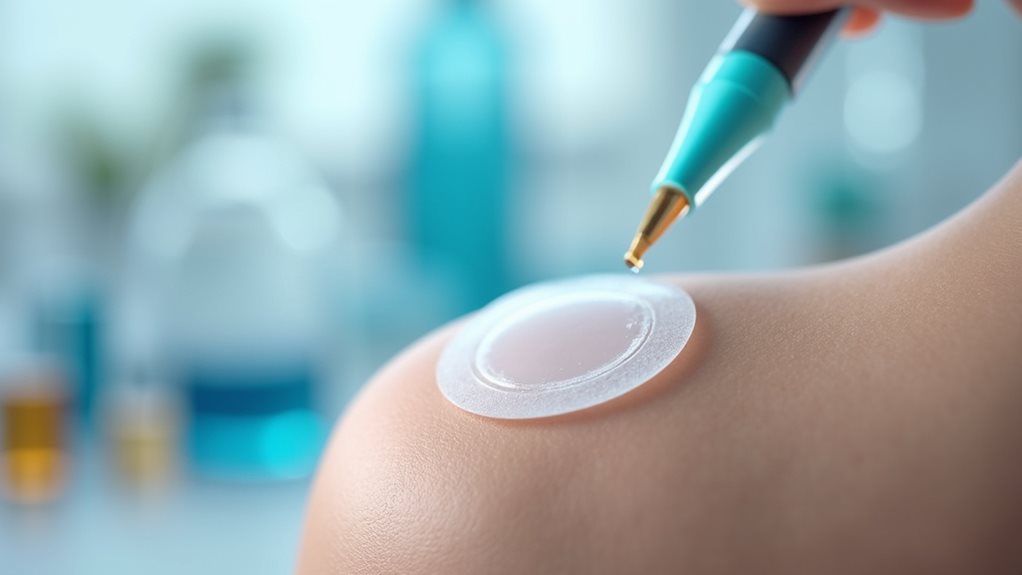
Despite considerable progress in developing peptide delivery systems, several persistent challenges hinder their widespread clinical application, especially in oral and transdermal forms. GI degradation, limited epithelial transport, stability issues, and unpredictable absorption substantially lower bioavailability.
Additionally, patch technologies face obstacles including skin penetration variability, peptide stability during manufacturing, and regulatory intricacies, complicating translation into reliable, scalable therapeutics.
A comparative consideration among injection versus other delivery methods highlights that injections often achieve higher and more predictable bioavailability, yet they come with invasiveness and adherence concerns compared to noninvasive routes absorption efficiency and stability considerations that scientists weigh when selecting a delivery strategy.
Future Directions in Peptide Therapeutics and Delivery Platforms
Advancements in peptide therapeutics are increasingly driven by the development of diverse and specialized delivery platforms that aim to optimize efficacy, stability, and patient compliance.
A focused area is understanding how injectable and oral peptide approaches differ in bioavailability and absorption, and how formulation challenges shape research progress oral bioavailability.
Frequently Asked Questions
What Are the Safety Concerns Associated With Long-Term Use of Peptide Patches?
You should watch for skin irritation, allergic reactions, immune responses, and inconsistent dosing. Repeated use may cause long-term skin damage, scarring, or hyperpigmentation, especially if patches aren’t rotated or applied correctly, increasing safety risks over time.
How Do Patient Preferences Influence Patch Design and Acceptance?
Your preferences shape patch design by emphasizing ease of use, discreet placement, comfort, and minimal skin irritation. When these factors align with your needs, you’re more likely to accept and adhere to the patch, ensuring consistent, effective use.
What Regulatory Hurdles Must Be Overcome for Clinical Approval of Peptide Patches?
You need to demonstrate consistent skin permeation, safety, and tolerability, backed by pharmacokinetic and stability data, while maneuvering complex regulatory pathways for combination products, ensuring manufacturing quality, and meeting approval criteria for safety, efficacy, and device performance.
Can Patch-Based Systems Be Customized for Different Peptide Therapies?
Yes, you can customize patch-based systems for different peptides by adjusting geometry, materials, and release modes, tailoring needle length and polymer choice to peptide properties, enhancing stability, absorption, and patient comfort for various therapeutic needs.
What Are the Cost Implications of Developing Peptide Patch Delivery Systems?
Developing peptide patch delivery systems can be costly, with expenses including high API prices, specialized manufacturing premiums, regulatory and testing costs, and significant tooling investments, especially at small scales, before economies of scale reduce per-unit expenses.
Final Note
Advancements in peptide delivery technologies, including patches and microneedles, hold significant promise for overcoming current biological barriers and enhancing drug bioavailability. While challenges such as stability, manufacturing complexity, and patient adherence remain, ongoing research into biodegradable and bioinspired systems continues to address these issues. By understanding these developments and their limitations, you can better appreciate the changing terrain of peptide therapeutics, which aims to improve efficacy, safety, and patient comfort through innovative delivery platforms.
References
- https://www.frontiersin.org/journals/drug-delivery/articles/10.3389/fddev.2026.1776167/full
- https://pmc.ncbi.nlm.nih.gov/articles/PMC12650023/
- https://www.peptidejournal.org/research/peptide-delivery-technologies-beyond-needle
- https://pmc.ncbi.nlm.nih.gov/articles/PMC12030352/
- https://cordis.europa.eu/project/id/101091765
- https://www.research-collection.ethz.ch/entities/publication/5f5605d8-dd31-47cb-9004-1953aed4b054
- https://pmc.ncbi.nlm.nih.gov/articles/PMC10326306/
- https://pmc.ncbi.nlm.nih.gov/articles/PMC10997930/
- https://pmc.ncbi.nlm.nih.gov/articles/PMC12765129/
- https://www.frontiersin.org/journals/drug-delivery/articles/10.3389/fddev.2026.1809842/full