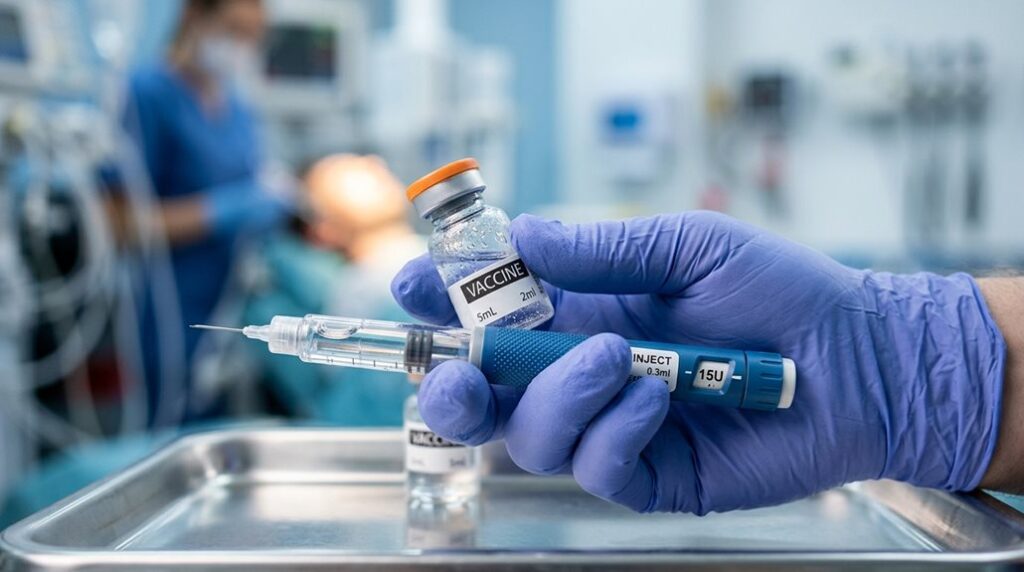
For men over 40, the best peptides include growth hormone–releasing peptides like CJC-1295 and Ipamorelin, which stimulate natural hormone production to support muscle preservation, fat reduction, and recovery. Peptides such as tesamorelin target visceral fat, while BPC-157 promotes tissue repair. Selection depends on your specific goals—whether increasing lean mass, reducing fat, or enhancing sexual function. Ensuring safety through proper monitoring and working with qualified professionals is essential; more detailed guidance is available if you continue to investigate this topic.
TLDR
- Peptides like CJC-1295, Ipamorelin, and IGF-1 LR3 support muscle preservation and growth for men over 40.
- Tesamorelin effectively reduces visceral fat and improves body composition in aging men.
- PT-141 enhances libido and sexual function, addressing age-related decline in desire.
- BPC-157 and TB-500 accelerate tissue repair and recovery, aiding injury management.
- Choosing peptides based on specific goals (fat loss, muscle, recovery, libido) ensures targeted and effective therapy.
What Are Peptides, and How Do They Support Men Over 40?

Peptides are short chains of amino acids, the fundamental components that build proteins within the body, and they play an essential role in regulating numerous biological processes.
They act as signaling molecules that influence hormone activity, tissue repair, immune responses, and inflammation control.
As natural or lab-made substances, peptides support aging-related changes, helping men over 40 maintain health, recovery, and hormonal balance.
Short peptide signaling helps coordinate how cells communicate to sustain hormonal balance and tissue repair as we age.
What Are the Main Benefits of Growth-Hormone–Releasing Peptides for Men Over 40?
Growth-hormone–releasing peptides (GHRPs) and GHRH analogs are designed to stimulate the body’s natural production of growth hormone (GH).
This hormone plays an essential role in maintaining various aspects of health for men over 40.
These peptides can improve body composition by increasing lean mass and reducing fat, particularly visceral fat.
They support overall metabolic health and physical appearance.
Peptide stacks may involve combining GHRPs with other growth-hormone–releasing approaches to potentially enhance outcomes, though evidence varies by context.
Which Peptides Are Best for Supporting Muscle Growth and Recovery?
To support muscle growth and recovery effectively, you should consider peptides that stimulate natural growth hormone production, such as CJC-1295 combined with Ipamorelin. These peptides not only promote muscle preservation and hypertrophy but also accelerate recovery times, allowing you to train more consistently and reduce injury risk. Gonadorelin and Kisspeptin play roles in testosterone pathways and can influence hormonal balance, which may further support recovery and performance in the right contexts. testosterone pathways
Key Peptides for Muscle Growth
Supporting muscle growth and recovery after age 40 involves a strategic approach that includes peptides with anabolic and regenerative effects.
CJC-1295 combined with Ipamorelin stimulates growth hormone release through complementary pathways, promoting modest lean mass gains.
IGF-1 LR3 offers direct muscle-building effects.
Peptides like Sermorelin support overall hormonal balance, enhancing long-term muscle maintenance and growth potential.
Enhancing Recovery Speed
Enhancing recovery speed after intense training or injury involves selecting peptides that actively support tissue repair, reduce inflammation, and promote efficient healing processes. BPC-157 and TB-500 are primary options, known for their ability to accelerate tissue and soft tissue repair.
Combining growth hormone-releasing peptides like CJC-1295 and Ipamorelin further supports systemic recovery, sleep quality, and overall tissue regeneration.
Supporting Hormonal Balance
When aiming to support muscle growth and recovery in men over 40, understanding how certain peptides influence hormonal balance can considerably enhance your results.
Peptides like CJC-1295 with ipamorelin stimulate natural growth hormone release, supporting muscle mass and repair without disrupting hormone feedback loops.
These compounds work within your body’s existing hormonal system, promoting anabolic activity and improved body composition over time.
How Can Peptides Help Reduce Visceral Fat and Improve Body Composition?

Peptides such as tesamorelin can specifically target visceral fat by stimulating the body’s own growth hormone production, which promotes fat mobilization around internal organs and supports improved body composition.
While growth hormone decline with age contributes to increased central fat, using peptides that enhance endogenous hormone levels can help reverse this trend, especially when combined with dietary adjustments.
Understanding the distinct roles of peptides like tesamorelin and broader agents such as GLP-1 agonists can guide targeted strategies for reducing visceral fat and optimizing overall health. Tesamorelin has been studied for its potential to reduce visceral adiposity in adults with excess abdominal fat.
Peptides such as tesamorelin can specifically target visceral fat by stimulating the body’s own growth hormone production, which promotes fat mobilization around internal organs and supports improved body composition growth hormone and overall health.
Role of Growth Hormone
How can peptides influence body composition and reduce visceral fat? By stimulating endogenous growth hormone release, peptides like tesamorelin target central fat, decreasing visceral adipose tissue by approximately 15-20%.
This increase enhances lean body mass, reduces trunk fat, and improves fat quality, leading to favorable changes in liver fat and metabolic markers, which collectively support healthier body composition.
Tesamorelin’s Fat Effects
Tesamorelin stands out among peptide therapies for its targeted ability to reduce visceral adipose tissue (VAT), the fat stored deep within the abdominal cavity that markedly impacts health risks such as metabolic syndrome and cardiovascular disease.
It effectively decreases VAT by approximately 15% over 26 weeks, with evidence supporting improvements in body composition and liver fat, thereby helping you manage health risks linked to excess visceral fat.
Combining Peptides and Diet
Combining peptide therapies with dietary strategies can substantially enhance your efforts to reduce visceral fat and improve overall body composition, especially as you age.
Peptides like tesamorelin target deep abdominal fat effectively, but their benefits are maximized when paired with a calorie-controlled, protein-rich diet, regular exercise, and lifestyle adjustments.
This integrated approach supports sustainable fat loss and muscle preservation.
How Do Peptides Enhance Sexual Function and Libido in Men Over 40?
Peptides have gained attention for their potential to enhance sexual function and libido in men over 40 by targeting specific neurological and hormonal pathways involved in desire, arousal, and erectile response.
For example, PT-141 stimulates brain receptors related to desire, improving sexual motivation and arousal even when blood flow isn’t the primary issue. These mechanisms address psychological and neurological components of low libido effectively. MC4R and MC3R are among the central nervous system targets that influence desire and arousal in this context, underscoring the brain-centered approach of PT-141.
Which Peptides Promote Injury Repair and Accelerate Tissue Healing?
Research into peptides that support injury repair and tissue healing has expanded considerably in recent years, especially as interest grows in regenerative medicine and minimally invasive recovery options.
Peptides like BPC-157 show strong preclinical support, promoting angiogenesis, extracellular matrix remodeling, and tissue strength across various models.
However, human evidence remains limited, and clinical trials are necessary to confirm their safety and effectiveness for injury recovery.
CJC-1295 and Ipamorelin, studied for their roles in growth hormone signaling and endocrine pathways, offer potential avenues to support recovery processes by modulating growth hormone release patterns and related metabolic effects. growth hormone signaling
Are There FDA-Approved Peptides for Men Over 40, and What Are Off-Label Options?

Are there actually FDA-approved peptides relevant to men over 40, or are most marketed options unapproved and potentially lacking safety and efficacy?
While some peptides like tesamorelin, semaglutide, and tirzepatide have FDA approval for specific conditions such as fat reduction and metabolic health, many popular peptides like BPC-157 and GHK-Cu lack formal approval. GHRP-6 and GHRP-2 are secretagogues that stimulate growth hormone release but differ in appetite effects and potency, with research showing GHRP-6 tends to increase appetite more than GHRP-2 in several studies. FDA-approved peptides provide established dosing and safety monitoring for identified indications, whereas unapproved peptides used off-label may come with limited safety data and regulatory oversight.
How Do You Choose the Right Peptides Based on Your Goals?
Choosing the right peptides begins with a clear understanding of your primary health and performance goals.
As different peptides target specific outcomes such as muscle growth, fat loss, recovery, libido, or metabolic support, it is important to identify your priority.
Then, select peptides like CJC-1295 for muscle, tesamorelin for visceral fat, or PT-141 for libido, ensuring your choice aligns with your desired results.
BPC-157 is sometimes discussed for tissue repair and healing, but its status as an experimental substance means it should be considered carefully and discussed with a qualified professional before use. experimental status
What Safety Considerations and Monitoring Are Needed When Using Peptides?
Before starting peptide therapy, it’s essential to undergo thorough baseline health assessments, including blood tests to evaluate key markers such as hormone levels, liver and kidney function, and blood sugar.
Regular monitoring during treatment, through follow-up labs and symptom tracking, helps identify potential side effects or adverse reactions early, ensuring safer use.
Additionally, maintaining reliable sourcing and consulting with a healthcare professional can minimize risks associated with contamination, incorrect dosing, or unapproved products.
GHRH and GHRP classes engage different receptors, so understanding their distinct mechanisms helps tailor monitoring for effects on growth hormone targets, metabolic status, and potential receptor-related adverse effects. receptor differences
Baseline Health Assessments
Conducting thorough baseline health assessments is a critical step in ensuring safe and effective peptide therapy, particularly for men over 40. It establishes an all-encompassing understanding of your current health status and helps identify potential risks.
This includes reviewing medical history, medications, and contraindications, along with baseline labs like hormone levels, organ function, and prostate health, to guide safe treatment decisions.
Ongoing Safety Monitoring
Ongoing safety monitoring is a vital component of peptide therapy, especially for men over 40, as it guarantees that treatment remains both effective and safe over time.
Regular lab tests, including metabolic markers, hormone levels, and organ function, help detect early side effects, guide dosage adjustments, and prevent complications like increased cancer risk, diabetes, or cardiovascular issues.
This approach ensures safe, personalized treatment.
What Are Practical Steps to Start Peptide Therapy Safely?
How you begin peptide therapy can deeply influence both its safety and effectiveness, making it essential to approach the process with careful planning and informed decision-making.
Start by defining a clear primary goal, obtaining baseline medical screening—including bloodwork—and consulting a licensed clinician experienced in endocrine medicine.
Begin with low doses, monitor response closely, and adjust protocols based on objective data and symptom improvement.
DAC-based half-life extension considerations may influence dosing cadence and monitoring, especially when using DAC-containing CJC-1295 products.
What’s Next for Peptide Therapy in Men Over 40?
Advances in peptide therapy for men over 40 are increasingly focused on expanding therapeutic applications that support metabolic health, recovery, and body composition, rather than solely pursuing broad anti-aging claims.
Future developments include improved delivery methods, such as oral and transdermal options, and personalized protocols based on specific lab results and goals.
These approaches emphasize safety, efficacy, and targeted metabolic optimization over generalized aging treatments.
Frequently Asked Questions
Are Peptides Safe for Long-Term Use in Men Over 40?
Peptides’ long-term safety for men over 40 isn’t well established, especially unapproved types. You should consult your doctor, undergo regular monitoring, and stick to FDA-approved options to minimize risks like organ damage or autoimmune issues.
How Do I Determine the Best Peptide Dosage for My Goals?
You determine the best peptide dosage by choosing your primary goal, starting with standard doses, monitoring your body’s response, and adjusting gradually after 1–2 weeks, ensuring tolerability and effectiveness before increasing or adding new peptides.
Can Peptides Replace Traditional Hormone Therapies Like TRT?
Peptides can’t replace traditional hormone therapies like TRT because they don’t directly boost testosterone levels. Instead, they support recovery, sleep, and tissue repair, often used alongside TRT, but aren’t substitutes when testosterone deficiency is the main concern.
What Are Common Side Effects Associated With Peptide Therapy?
You might experience injection site reactions like redness, swelling, or pain, along with gastrointestinal issues such as nausea, diarrhea, or bloating. Systemic effects like fatigue, headaches, or mood changes can also occur, generally resolving over time.
How Quickly Can I Expect to See Results From Peptide Use?
You can expect to see sleep and energy improvements within days to a few weeks, recovery in 2–4 weeks, and noticeable body composition changes after 8–12 weeks of consistent peptide use, depending on the type and your lifestyle.
And Finally
Understanding how peptides can support your health after 40 involves careful consideration of your specific goals, potential benefits, and safety protocols. By selecting the appropriate peptides and working closely with a healthcare professional, you can optimize muscle recovery, body composition, and sexual function while minimizing risks. Staying informed about current research and monitoring your progress guarantees a safe, effective approach to peptide therapy. With proper guidance, you can make informed decisions to enhance your overall well-being.
References
- https://newtropin.com/blog/peptides-for-men-over-40
- https://gamedaymenshealth.com/blog/peptide-therapy-mens-health
- https://teamwellcore.com/the-7-best-peptides-for-muscle-growth-in-men/
- https://syraaesthetics.com/blog/peptides-for-men/
- https://www.peptidejournal.org/guides/best-peptides-for-men-over-40
- https://www.thinworks.com/post/peptides-for-men
- https://peptidesexplorer.com/blog/peptides-for-men-over-40
- https://www.youtube.com/watch?v=n7MGeY9kByo
- https://peptides.academy/for/men-over-40/
- https://formblends.com/articles/peptide-hub/best-peptides-men-over-40