
New Peptides to Watch in 2026
A glimpse into 2026 reveals groundbreaking peptide innovations poised to transform treatment options—discover what makes these new peptides truly remarkable.
A glimpse into 2026 reveals groundbreaking peptide innovations poised to transform treatment options—discover what makes these new peptides truly remarkable.
Creating more stable and effective peptide analogs involves innovative modifications that unlock new therapeutic possibilities—discover how researchers are shaping the future of medicine.
Peptide patents are essential for protecting innovations like unique sequences, manufacturing processes, formulations, and delivery methods, encouraging investment in drug development. These patents cover a range of claims, from the peptide molecule itself to its therapeutic uses, and support advances such as structural modifications like cyclic and stapled peptides. The
Keen insights into peptides and biomarkers reveal how blood-based indicators track aging, promising personalized health solutions that are still evolving.
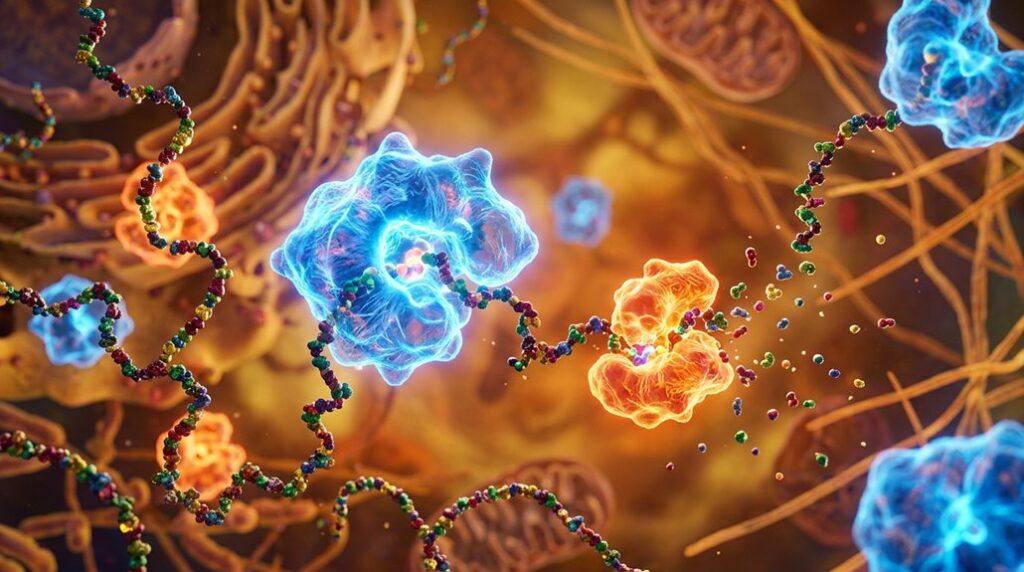
When you consume proteins, your body begins breaking them down in the stomach with gastric acid and enzymes like pepsin, producing smaller peptides. This process continues in the small intestine with pancreatic enzymes such as trypsin and chymotrypsin, which hydrolyze peptides into even smaller fragments and amino acids. Specialized enzymes
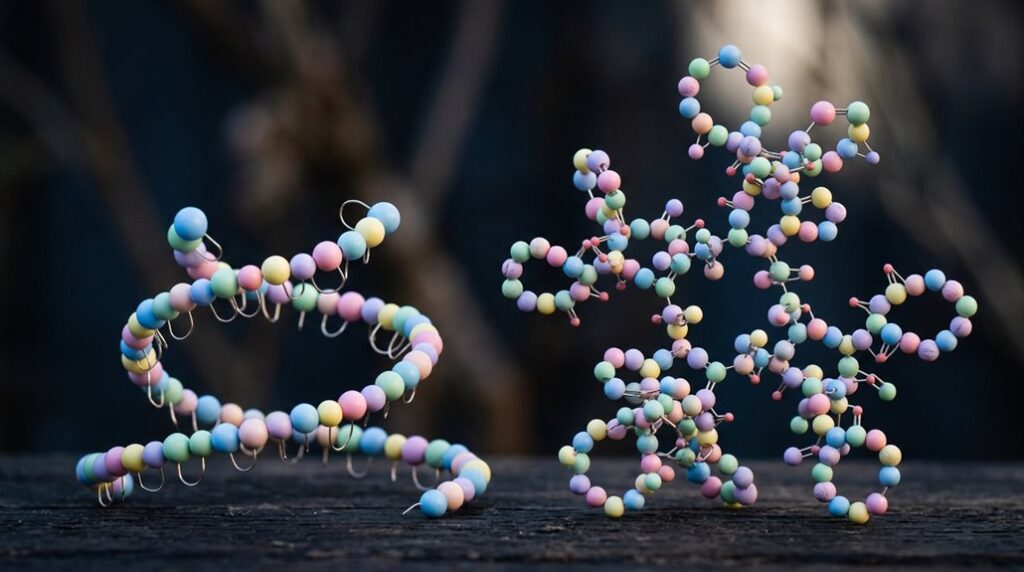
Understanding the key differences between branched-chain and linear peptides reveals how their unique structures impact stability and function, leaving you curious to learn more.
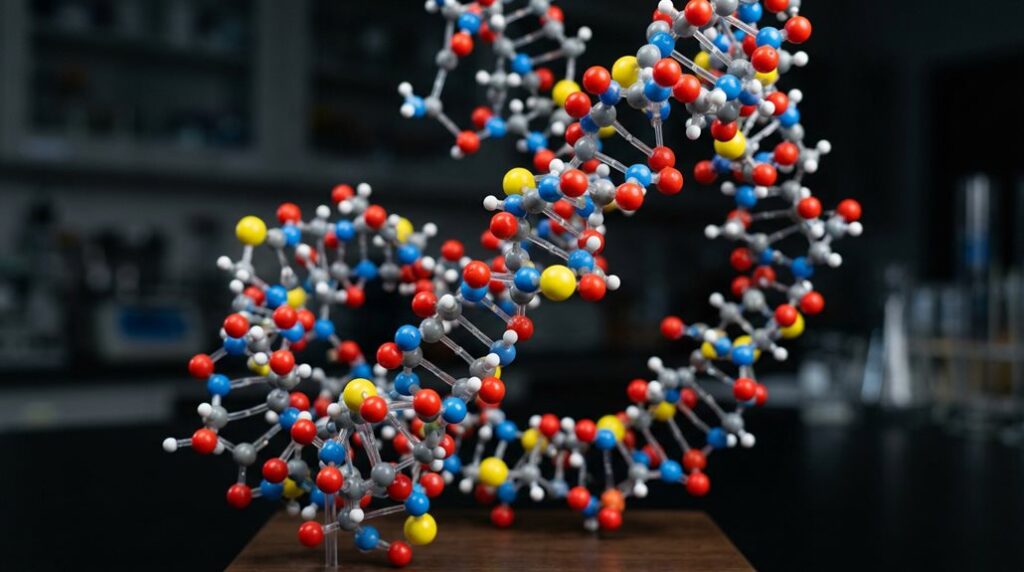
Greatly influencing peptide structure and function, amino acid sequences are essential to understand, and exploring their complexity reveals fascinating insights into their behavior.
Peptide cycling involves strategic rest periods to prevent receptor desensitization and maximize efficacy, with research revealing key factors to customize your protocol effectively.
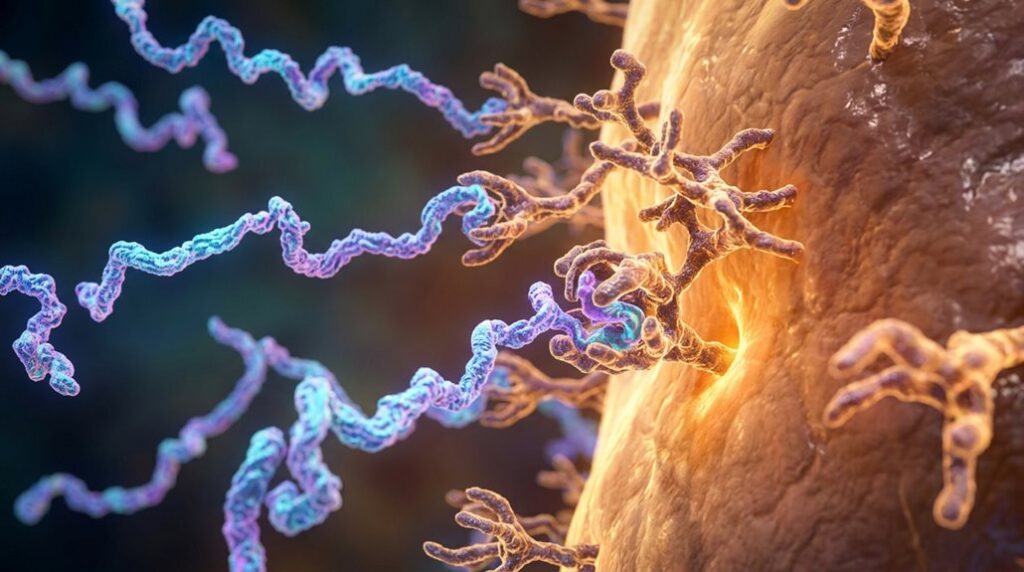
With precise molecular interactions, peptide receptor binding enables targeted cell recognition, but understanding its full potential reveals even more intriguing possibilities.
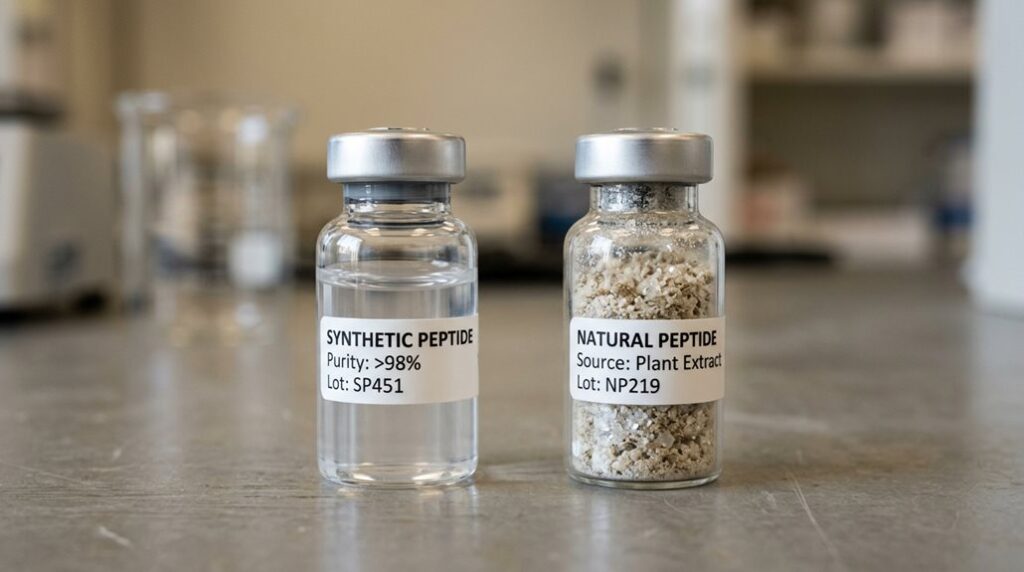
Lifting the veil on synthetic versus natural peptides reveals crucial differences that can influence their effectiveness and suitability for your needs.
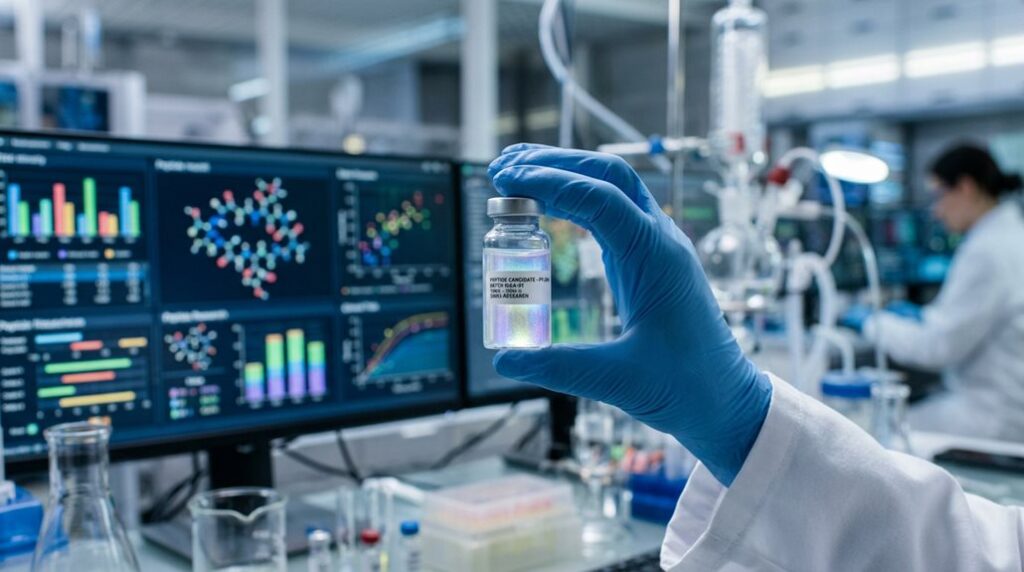
Kinetic advancements in peptide research are poised to transform therapeutics, with upcoming innovations shaping the future of clinical trials beyond 2026.
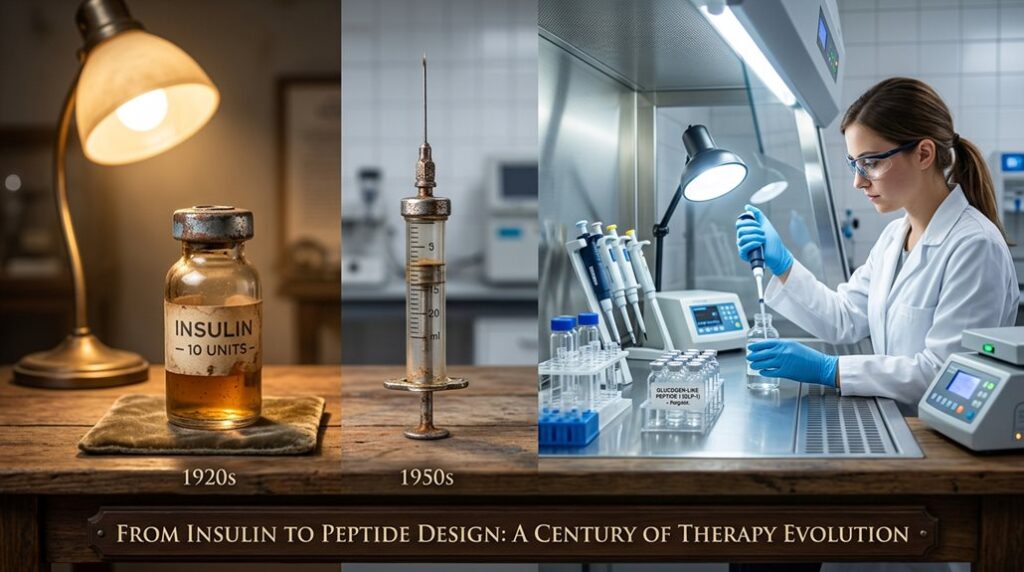
Nurturing medical innovations, the history of peptide therapy reveals transformative breakthroughs that continue to shape future treatments.
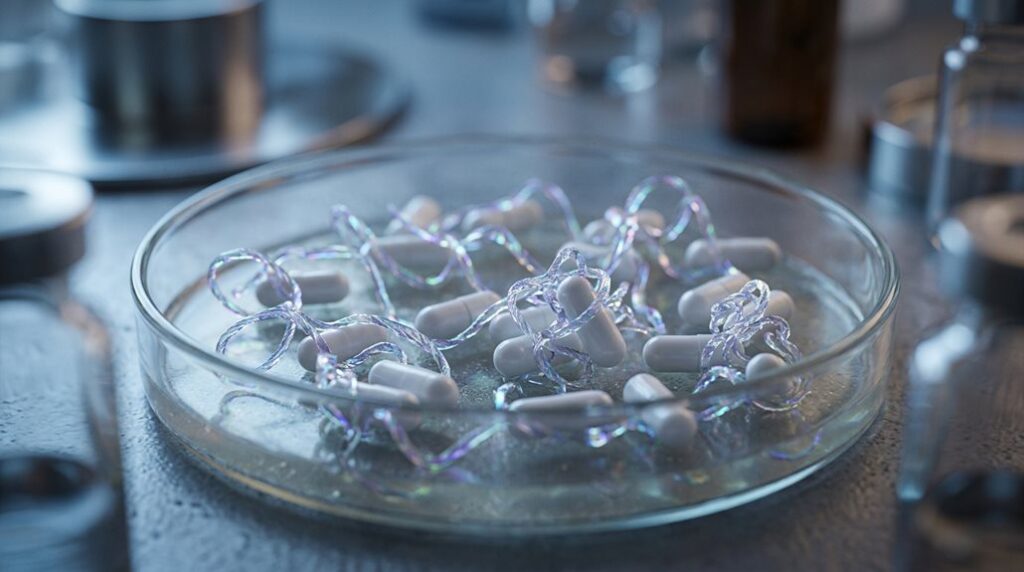
Theories about combining peptides with medications suggest potential interactions that could impact your treatment; understanding these effects is crucial for safety.
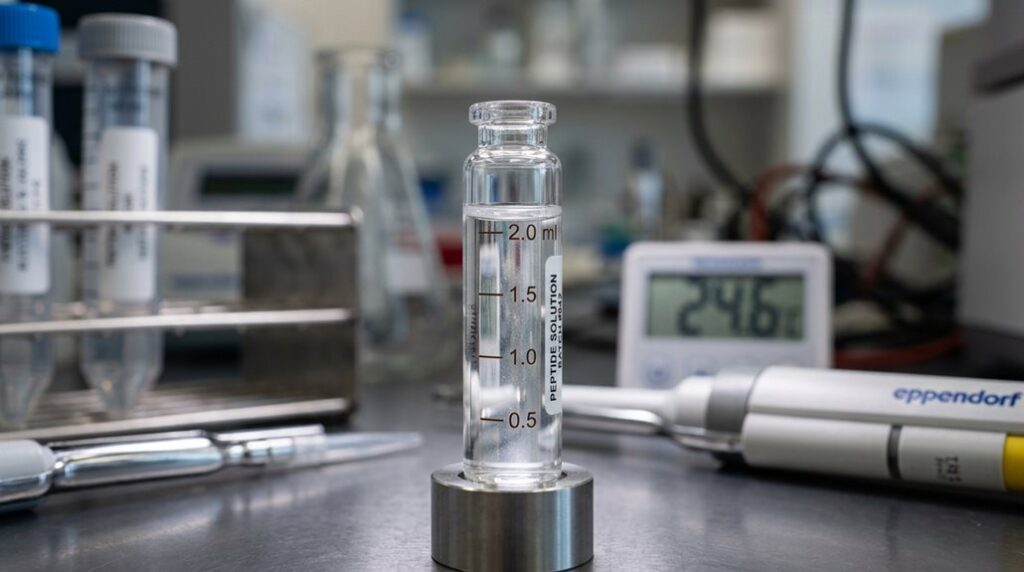
Narrowing the gap between peptide administration and effective therapy hinges on understanding bioavailability challenges and innovative solutions—discover more below.
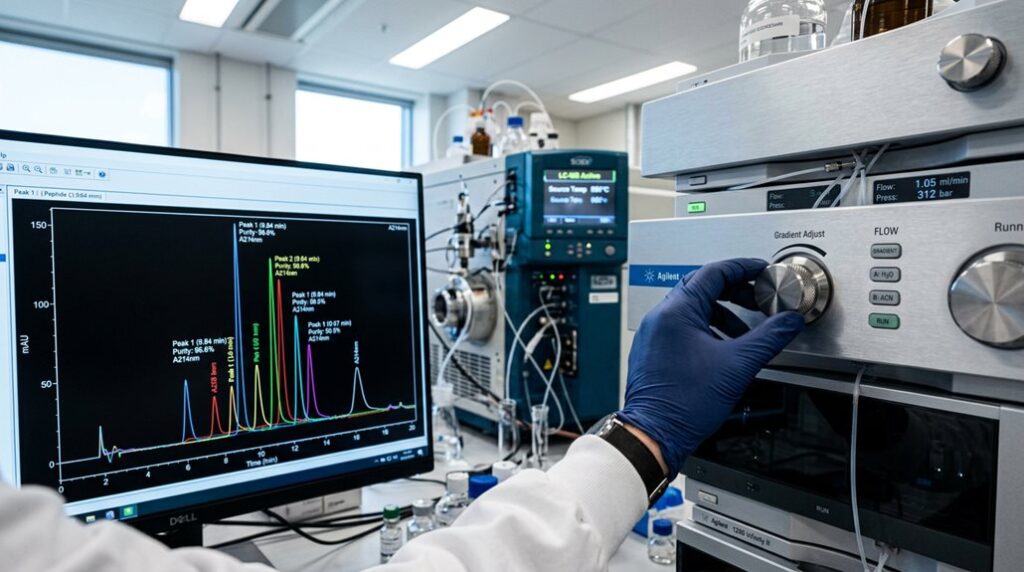
Discover how HPLC and mass spectrometry work together to accurately assess peptide purity and ensure quality, revealing insights you won’t want to miss.