
You’re navigating a field where Bremelanotide (PT-141) stands alone as FDA-approved for premenopausal women’s desire disorders, working through brain-based melanocortin receptors rather than blood vessels like Viagra does. Kisspeptin shows experimental promise for hormonal root causes, while oxytocin remains investigational despite marketing hype. You’ll want to prioritize human trial evidence, demand third-party lab verification for any product, and understand that mechanisms differ sharply—PT-141 sparks central arousal, not mechanical response. Safety profiles are generally reassuring, though nausea affects roughly forty percent of PT-141 users. The landscape continues evolving, and the details ahead will help you match options to your specific situation.
TLDR
- Bremelanotide (PT-141) is the only FDA-approved peptide for hypoactive sexual desire disorder in premenopausal women.
- PT-141 targets central melanocortin receptors to enhance desire, unlike Viagra’s peripheral vascular mechanism.
- Kisspeptin shows promising experimental results for stimulating reproductive hormones but lacks regulatory approval.
- Oxytocin remains investigational with inconsistent human data, making it unsuitable as standalone therapy.
- Prioritize peptides with human trial evidence and independent lab verification over marketing claims.
Do Peptides Actually Work for Sexual Health? What the Evidence Shows

How, then, do you separate genuine promise from empty marketing when you’re evaluating peptides for sexual health? You’ll find bremelanotide (PT-141) offers the strongest evidence, with FDA approval for women’s desire disorders and documented arousal benefits, while kisspeptin shows promising but early results for men. Regulators and clinical data provide a framework for assessment, including the importance of FDA approval as a validation of safety and efficacy. Most other peptides lack strong human trials, so you should approach claims cautiously, prioritizing compounds with regulatory backing or rigorous clinical data over speculative alternatives.
Bremelanotide (PT-141): The Only FDA-Approved Sexual Health Peptide
If you’re looking for a peptide with genuine regulatory backing in sexual health, you’ll find bremelanotide—better known by its research designation PT-141 and its brand name Vyleesi—stands alone as the only FDA-approved option in this category.
Approved in June 2019 for acquired, generalized hypoactive sexual desire disorder in premenopausal women, this melanocortin receptor agonist works through central nervous system pathways rather than blood flow mechanisms, offering a brain-based approach to desire.
You’d use it via subcutaneous autoinjector at 1.75 mg, dosing at least 45 minutes before anticipated activity with no more than one dose per 24 hours, though nausea affects roughly 40% of users and its approved indication remains narrow despite off-label discussions for other populations. Regulatory status
PT-141 vs. Viagra: Why the Mechanism Matters for Your Body
You might assume PT-141 and Viagra work similarly since both address erectile concerns, but they actually operate through entirely separate receptor pathways—PT-141 activates melanocortin receptors in your hypothalamus to spark desire and central arousal, while Viagra inhibits PDE5 in your penile blood vessels to improve mechanical performance once arousal already exists.
This brain-versus-blood distinction means your symptoms, not just your diagnosis, should guide which approach fits your situation.
When you understand that PT-141 targets motivation and Viagra targets vascular response, you can see why these agents often complement rather than replace one another. growth hormone receptors
Receptor Pathways Differ
Why does the same outcome—improved sexual function—require such fundamentally different approaches in your body? PT-141 activates melanocortin receptors MC3R and MC4R in your hypothalamus, sparking central arousal pathways, while Viagra blocks PDE5 enzymes in penile blood vessels, amplifying blood flow through cGMP signaling. These distinct receptor targets explain why one drug addresses desire and the other mechanics.
Brain Versus Blood
The fundamental distinction between PT-141 and Viagra lies not merely in their chemical structures but in where they exert their effects within your body, a difference that shapes everything from how quickly they work to which aspects of sexual function they actually improve. PT-141 acts centrally in your brain, specifically targeting melanocortin receptors in the hypothalamus to generate arousal signaling independently of external stimulation, whereas Viagra works peripherally in your genital blood vessels as a PDE5 inhibitor that enhances nitric oxide-mediated blood flow but requires sexual stimulation to release that nitric oxide first. This means PT-141 initiates the neural cascade driving desire, while Viagra only amplifies an existing vascular response, making them suited for different underlying issues—neurologic signaling versus circulation—and potentially synergistic when combined.
Desire Not Performance
Understanding where a drug acts in your body—whether it reaches your brain or your blood vessels—means understanding what it can and can’t fix, and this distinction sits at the heart of choosing between PT-141 and Viagra for your particular situation.
PT-141 works centrally, stimulating desire through hypothalamic melanocortin receptors, while Viagra works peripherally, supporting erection via penile blood flow.
You match mechanism to need.
Kisspeptin: The Experimental Peptide Showing Promise in Clinical Trials
Kisspeptin, a KISS1 gene–encoded peptide, works through your KISS1R/GPR54 receptor to naturally stimulate GnRH, which then triggers your LH and FSH release—essentially activating your body’s own reproductive signaling rather than replacing hormones externally. Clinical trials show resilient gonadotropin responses, particularly in hypothalamic amenorrhea where effects exceed healthy controls, with over 150 subjects demonstrating safety and no serious adverse events. GPR54/KISS1R signaling drives pulsatile GnRH release that underpins these reproductive hormone dynamics.
What Kisspeptin Research Reveals About Men and Women With Low Desire
When you’re struggling with low sexual desire, you might wonder what options exist beyond traditional hormone therapies, and emerging research on kisspeptin offers some intriguing possibilities you should understand. Clinical trials show kisspeptin modulates brain activity in key sexual-processing regions, increases penile tumescence by 56% in men, and enhances feelings of attractiveness in women, suggesting central nervous system mechanisms rather than purely peripheral effects. BDNF upregulation in related neurochemical pathways may also play a role in broader mood and motivation effects observed with neuroactive peptides.
Oxytocin and Other Peptides: Hype or Hope for Sexual Enhancement?
You might wonder whether oxytocin lives up to its reputation as a sexual enhancement aid, given its established facilitatory role in animal models where it clearly promotes mating behaviors, erection, and orgasm.
When you examine the actual research evidence quality, you’ll find a striking contrast: animal data consistently supports benefit, yet human trials remain limited and inconsistent, with studies in women largely showing no significant improvement in arousal or physiological response, and evidence in men resting mainly on single case reports rather than robust controlled trials.
Because of this gap between biological plausibility and proven clinical application status, you should recognize oxytocin as an investigational candidate rather than an established therapy, understanding that ongoing trials may eventually clarify its true value for sexual health.
Oxytocin’s Facilitatory Role
Why does a hormone best known for childbirth and bonding draw so much interest in sexual medicine? Research shows oxytocin facilitates erectile function and copulatory behavior in males, with animal studies demonstrating reduced ejaculation latency and delayed sexual exhaustion. In women, oxytocin rises substantially post-orgasm, supporting its role in arousal and postcoital behavior, though evidence remains mixed and dose-dependent effects complicate interpretation.
Research Evidence Quality
How, then, should you evaluate the claims surrounding oxytocin as a sexual enhancer when the research landscape presents such a fragmented depiction? You must distinguish between robust animal findings and inconsistent human trials, recognizing that intranasal administration shows no reliable benefits for sexual drive, arousal, or orgasm in controlled studies despite elevated plasma levels.
Methodological gaps, including variable dosing and limited naturalistic settings, further complicate interpretation, so you should approach oxytocin’s sexual enhancement potential with measured skepticism until standardized, replicable human evidence emerges.
Clinical Application Status
Although oxytocin has generated considerable enthusiasm as a potential sexual enhancer, the clinical reality presents a far more comprehensive picture that you’ll need to navigate carefully when evaluating its therapeutic potential.
You’ll find that intranasal administration shows no significant improvement in female sexual function, with studies failing to demonstrate benefits for drive, arousal, or satisfaction despite physiological changes occurring.
Male responses appear more promising, particularly regarding erectile function and ejaculation, though evidence remains mixed with only case reports documenting broad improvements during chronic treatment for social anxiety.
You’ll notice that vaginal gel formulations achieve some success in contentment measures but fall short of primary outcomes, while safety profiles remain reassuring across all administration routes without toxicity or major adverse effects.
When considering oxytocin clinically, you’ll recognize its current value lies not as a standalone sexual enhancer but as a well-tolerated adjunct for addressing psychological barriers, relationship dysfunction, or anxiety-related erectile difficulties within comprehensive treatment approaches.
Peptides That Can Suppress Desire (And Why Your Brain Needs Them)

Where exactly does your brain draw the line between pursuing intimacy and pulling back? Your brain relies on specific peptides—opioids, CRH, neuropeptide Y, cholecystokinin, angiotensin II, and vasopressin—to suppress sexual desire when stress, energy balance, or safety concerns demand attention. This isn’t dysfunction; it’s protective coordination. Understanding these signals helps you recognize why desire fluctuates normally, guiding smarter conversations about sexual health. Epitalon’s limited human evidence and regulatory uncertainties underscore how subtle biological signals—like telomerase activity and circadian regulation—fit into the broader picture of aging, health, and sexual vitality telomeres and aging.
Red Flags: How to Spot Fake Peptide Therapies and Unproven Stacks
When you’re evaluating peptide therapies for hormone or sexual health, you’ll need to scrutinize marketing claims carefully, since exaggerated promises like “guaranteed results” or “no side effects” often mask products lacking legitimate clinical validation. Verify that any cited evidence comes from human trials rather than animal studies alone, because rat data doesn’t establish safety or efficacy in people. Longevity research reinforces the need to prioritize clinically validated data and transparent reporting over hype.
Marketing Misleading Claims
How can you distinguish legitimate peptide research from marketing noise in an industry where therapeutic promises often outpace scientific validation? You’ll want to watch for language that guarantees results, such as “clinically proven,” “no side effects,” or claims that a product “cures” or “treats” conditions, since these therapeutic promises signal misleading marketing when used outside regulated medical care.
Before-and-after photos paired with product mentions, comparisons to prescription drugs like “same as Ozempic,” and benefit claims without citations to primary human trials all indicate promotional framing rather than evidence-based information, so you’ll need to verify that any stated benefits connect to peer-reviewed research rather than influencer testimonials or animal studies.
Evidence Quality Check
Why should you scrutinize a vendor’s documentation before considering any peptide product? You need to verify that certificates of analysis are recent, lot-matched, and from independent labs with traceable methods, since outdated paperwork or in-house-only testing offers no real quality assurance. Demand chromatograms and mass spectrometry data, not vague “tested” claims, because your safety depends on substances that are actually what they claim to be.
Which Sexual Health Peptide Should You Actually Consider?
Navigating the landscape of sexual health peptides can feel overwhelming, especially when you’re trying to distinguish between compounds with solid clinical backing and those still gathering evidence. If you want the most validated option, you’ll choose PT-141, which offers FDA-approved, on-demand desire enhancement through brain-based MC4R signaling. Because PT-141 is approved specifically for premenopausal women with HSDD, it’s important to understand its indications and limitations FDA approval as you assess suitability. For hormonal root causes, you’ll consider kisspeptin, though it’s less established. You’ll reserve oxytocin for bonding concerns and avoid prioritizing Melanotan II.
How to Access Peptide Therapies Legally and Safely
Whether you’re exploring peptides for sexual health concerns or other therapeutic goals, you’ll need to understand that lawful access depends entirely on where you live, which compound you’re considering, and how you plan to obtain it.
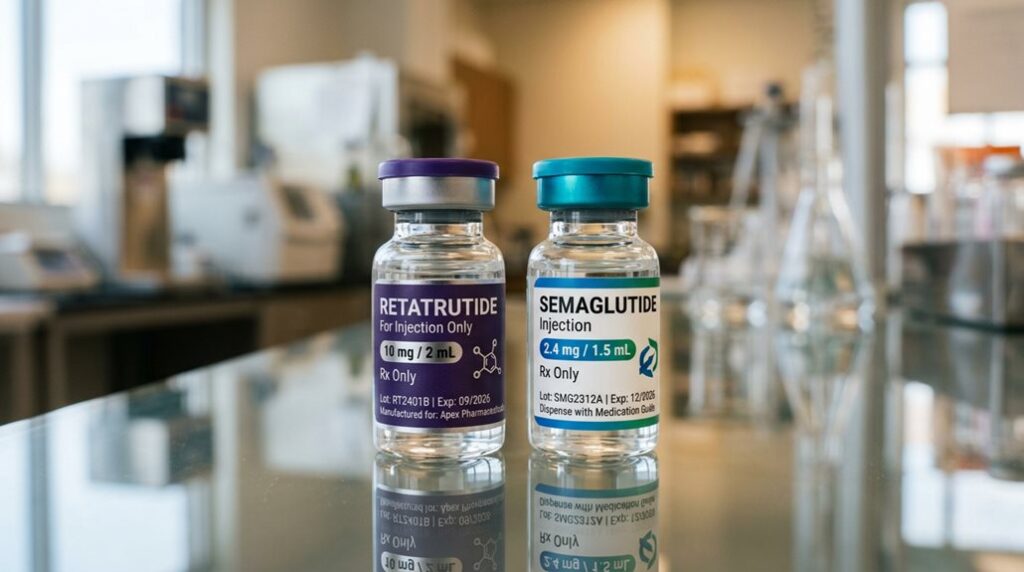
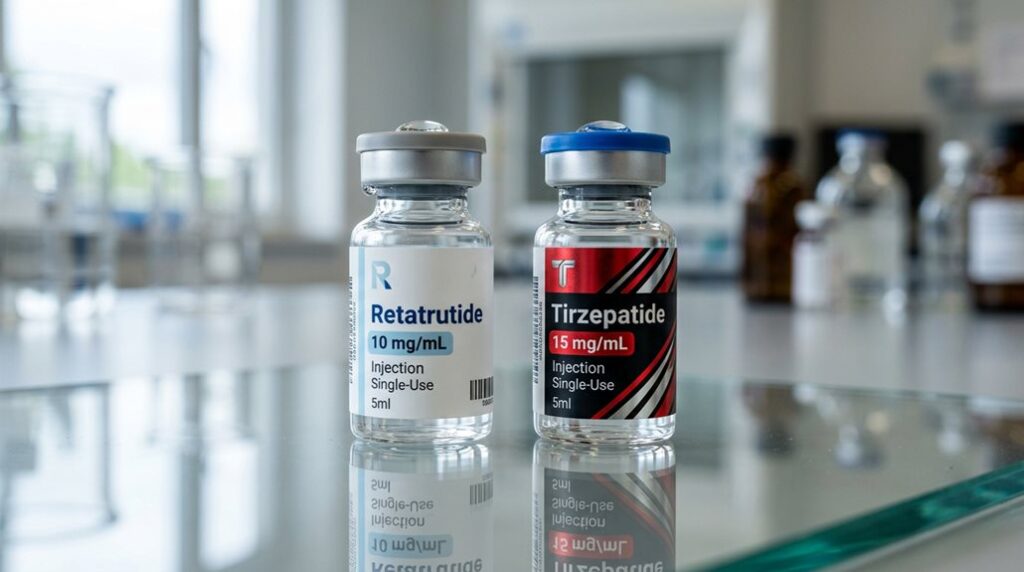
You’ll want to pursue FDA-approved options like semaglutide or tirzepatide through licensed prescribers and legitimate pharmacies, ensuring you receive proper medical supervision, informed consent, and authentic products with verifiable documentation rather than risking unregulated research-grade materials. Recovery peptides
Side Effects and Safety: What PT-141 and Kisspeptin Trials Revealed
How exactly do you weigh the promise of improved sexual function against the potential downsides of peptide therapy? PT-141 trials show you’ll likely experience nausea, flushing, or headache, though these effects are usually transient and dose-dependent. Blood pressure may rise slightly due to melanocortin receptor activity, so caution is warranted if you have cardiovascular concerns. Hyperpigmentation, while uncommon, can persist after stopping treatment, and tolerability issues drive most discontinuations. Understanding these trade-offs helps you make informed decisions with your clinician.
Next-Generation Peptides: What’s Coming After PT-141?
Why settle for the current standard when researchers are already engineering peptides that might outpace PT-141’s benefits? You’re witnessing a shift toward compounds with sharper selectivity, extended duration, and broader central nervous system effects.
Klotho-derived fragments show cognitive promise that may eventually intersect with libido, while mitochondrial peptides like SS-31 and MOTS-c target energy metabolism underlying age-related decline.
The Bottom Line: Peptides for Sexual Health in 2024
Where do you stand when evaluating your options for peptide-based sexual health interventions in 2024? You should recognize PT-141 as the established clinical standard, given its FDA approval for premenopausal women with hypoactive sexual desire disorder and its documented efficacy in addressing both central desire and physical arousal mechanisms that peripheral treatments often fail to resolve.
Frequently Asked Questions
Can Peptides Improve Fertility in Both Men and Women?
Yes, peptides may improve fertility in both men and women, though the evidence is stronger for male fertility. You can potentially benefit from peptides that support hormone signaling, sperm quality, ovulation, and cellular energy, but most research remains preclinical or early-stage.
You’ll find promising data on gonadorelin and kisspeptin for men, and mitochondrial peptides for women, yet large-scale human trials are still needed before these become established therapies.
Do Sexual Health Peptides Affect Athletic Performance or Muscle Growth?
Sexual health peptides don’t directly enhance athletic performance or muscle growth, though they may help indirectly. When you’re overtrained or chronically stressed, your libido and hormone levels often drop, so restoring balance through peptides like PT-141 or kisspeptin could improve sleep, recovery, and training consistency.
However, you shouldn’t expect these compounds to act like anabolic agents—they’re not proven muscle-builders, and any performance benefit would come from better overall recovery rather than direct ergogenic effects.
Are Peptide Effects on Sexual Desire Permanent or Temporary?
Peptide effects on your sexual desire are temporary, not permanent. On-demand options like PT-141 work within 45 minutes to 2 hours and last roughly 6 to 72 hours, while longer protocols may improve baseline function over weeks or months.
Even with consistent use, these peptides modulate brain signaling and hormone pathways reversibly, meaning benefits typically fade after you stop treatment rather than creating lasting biological changes.
How Do Peptides Interact With Birth Control or Hormone Replacement Therapy?
Tirzepatide reduces oral contraceptive absorption through delayed gastric emptying, so you’ll need backup contraception for four weeks when starting or escalating doses, whereas semaglutide and other GLP-1 agents don’t show this effect.
For hormone replacement therapy, absorption concerns mainly apply to oral forms, not patches or injections, though you should review all peptide combinations with your prescriber.
Pause peptides during conception efforts, stopping semaglutide two months or tirzepatide one month beforehand.
Can Dietary Changes Naturally Boost Peptide Levels for Sexual Health?
You can support your body’s natural peptide signaling through dietary choices that optimize hormone production, blood flow, and metabolic health. A Mediterranean-style eating pattern—rich in zinc from oysters and pumpkin seeds, vitamin D from fatty fish, healthy fats from olive oil and nuts, and nitrate-rich leafy greens—creates favorable conditions for endogenous peptides involved in sexual function.
Limiting refined carbohydrates, added sugars, and ultra-processed foods while maintaining adequate protein intake further supports this biological environment, though direct evidence linking specific foods to peptide levels remains limited.
And Finally
You’re now equipped to evaluate peptide therapies with confidence, understanding that PT-141 offers a proven, FDA-approved option for hypoactive sexual desire disorder, while kisspeptin remains promising but experimental. Remember that legal access requires proper medical oversight, and individual responses vary based on physiology, underlying conditions, and concurrent medications. Stay informed as research evolves, consult qualified healthcare providers before pursuing treatment, and prioritize safety verification when considering any peptide-based intervention for sexual health concerns.


Pingback: PT-141 and Peptides for Boosting Libido Safely