
History of Peptide Therapy: From Insulin to Modern Research
Nurturing medical innovations, the history of peptide therapy reveals transformative breakthroughs that continue to shape future treatments.
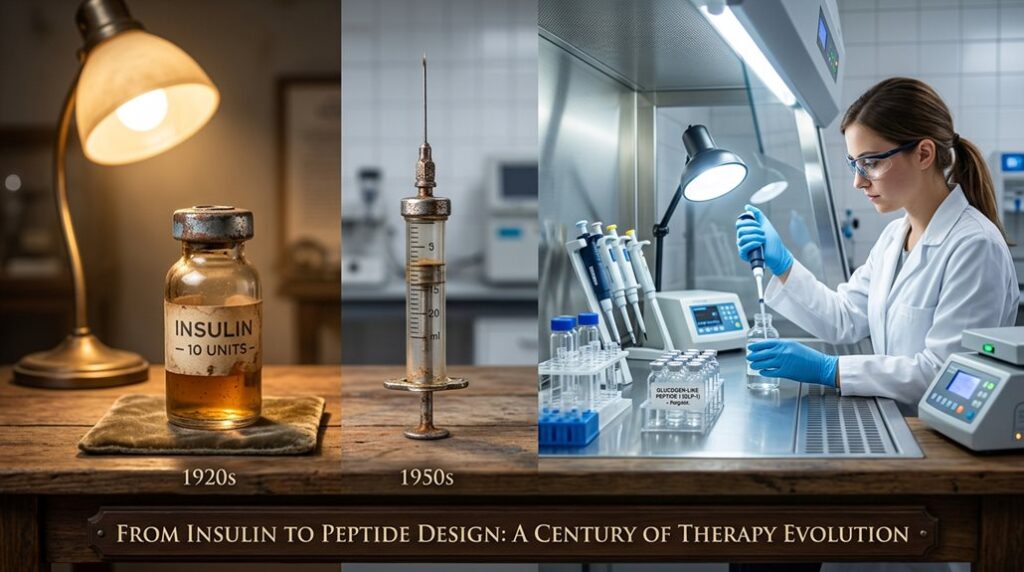
Nurturing medical innovations, the history of peptide therapy reveals transformative breakthroughs that continue to shape future treatments.

Theories about combining peptides with medications suggest potential interactions that could impact your treatment; understanding these effects is crucial for safety.
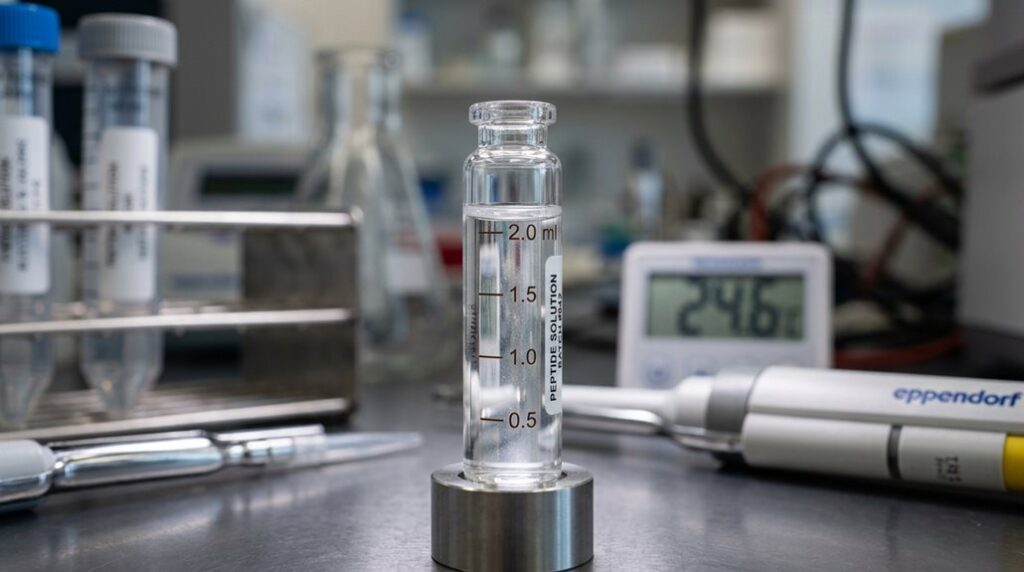
Narrowing the gap between peptide administration and effective therapy hinges on understanding bioavailability challenges and innovative solutions—discover more below.
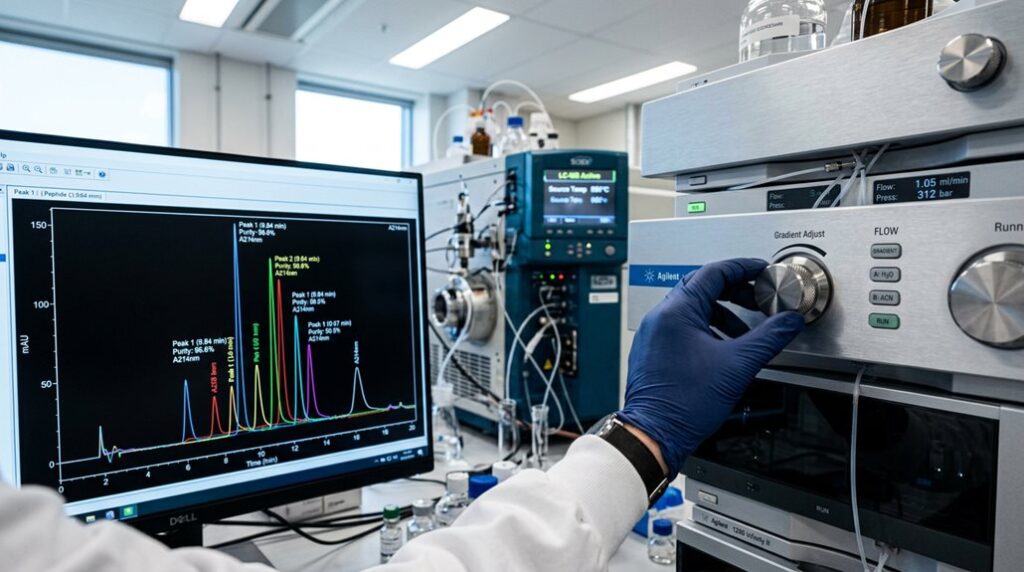
Discover how HPLC and mass spectrometry work together to accurately assess peptide purity and ensure quality, revealing insights you won’t want to miss.
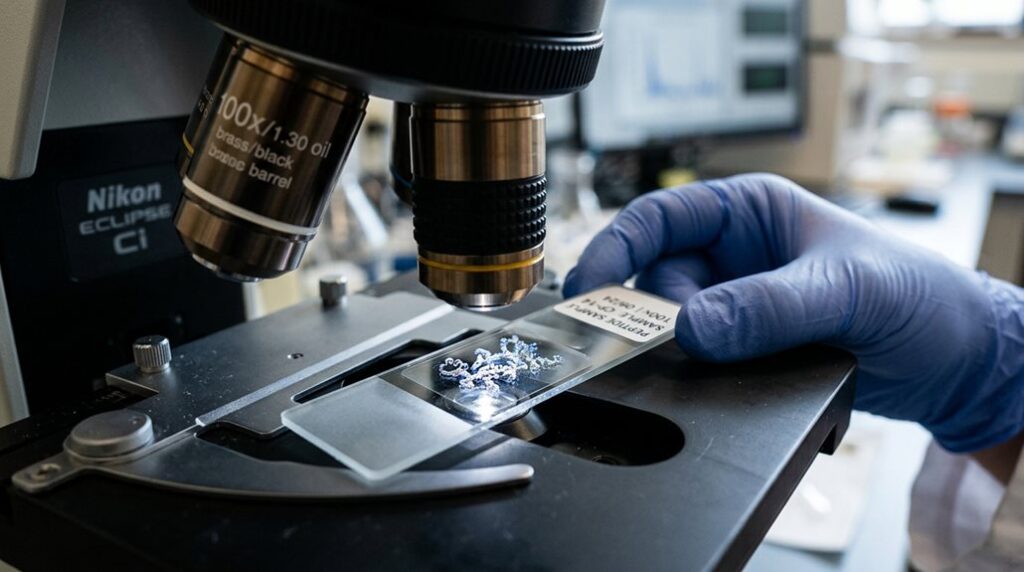
Animal vs human peptide research reveals critical differences that impact safety and efficacy, making it essential to understand how these variations influence outcomes.
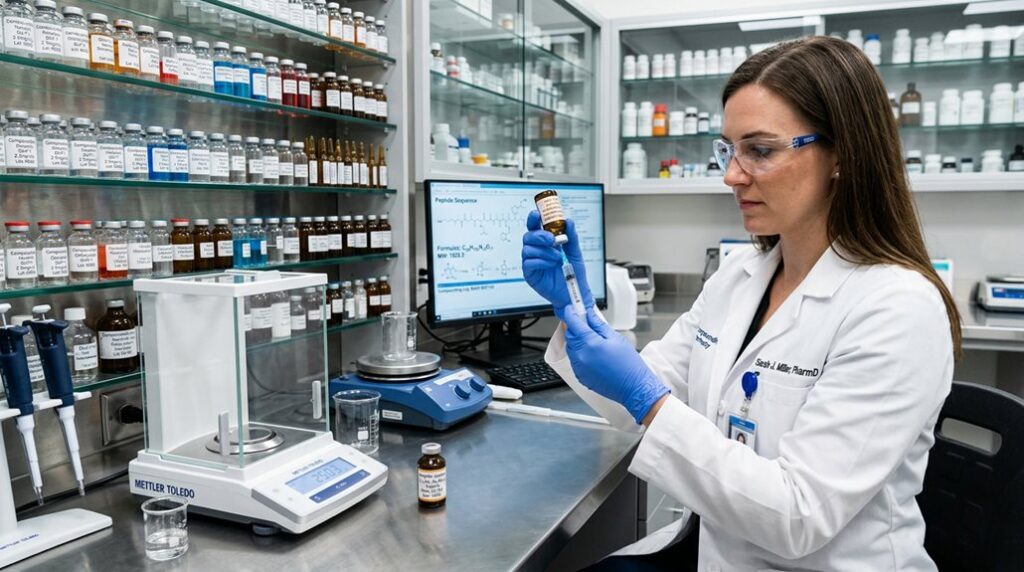
Guided by strict regulations, compounding pharmacies customize peptide medications, but navigating safety and legal concerns requires understanding the full system.
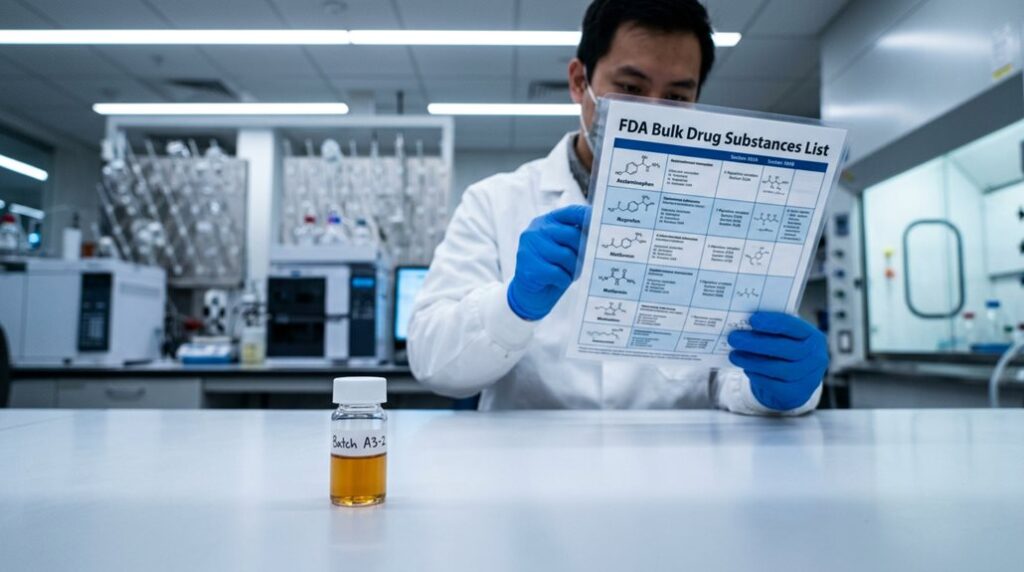
The FDA Bulk Drug Substances List identifies active ingredients, including certain peptides, that are recognized for safety and efficacy in pharmacy compounding, directly affecting whether you can legally source or prepare these substances. Inclusion on the list guides pharmacy practices within structures like 503A and 503B, while absence restricts compounding
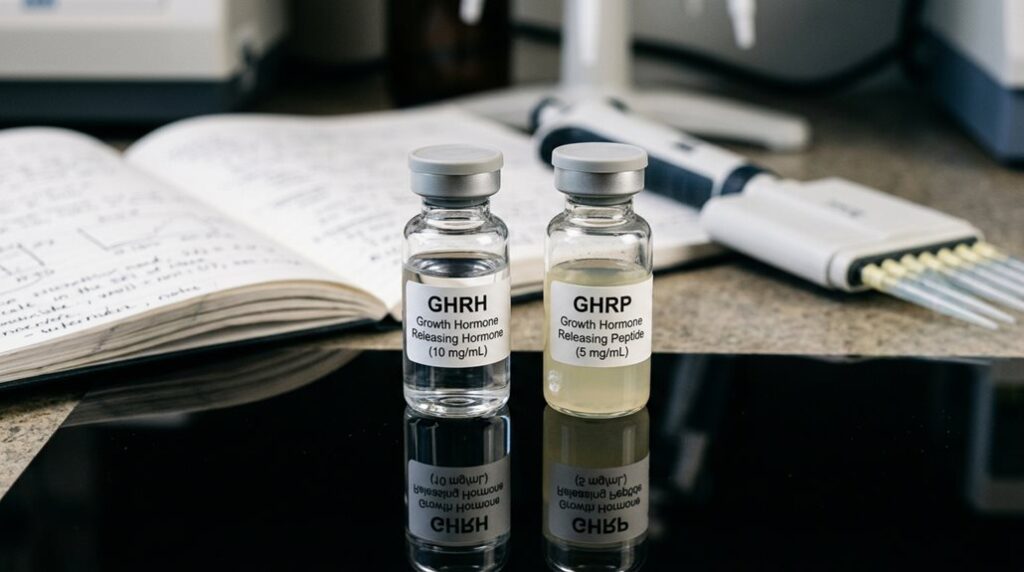
Only by understanding GHRH and GHRP differences can you fully grasp their unique roles in stimulating growth hormone release and their potential applications.
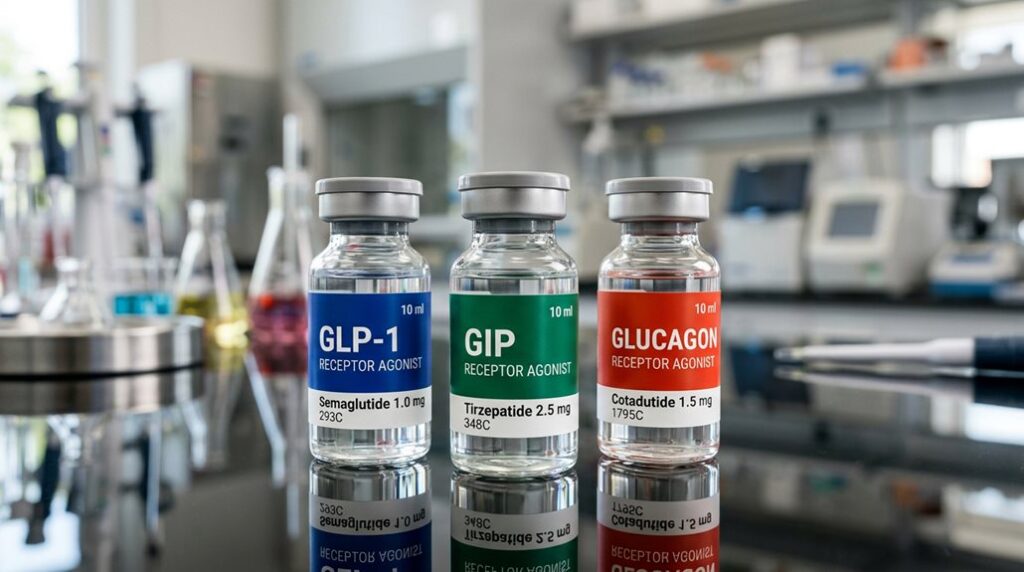
GLP-1, GIP, and glucagon receptor agonists are specialized hormones used to regulate blood sugar, control weight, and enhance metabolism. GLP-1 enhances insulin secretion, suppresses appetite, and slows gastric emptying, primarily aiding in glycemic control. GIP stimulates insulin release with a lesser effect on appetite, and is often combined with GLP-1

Discover how peptides influence skin pigmentation and the potential for safe, effective treatments—learn what recent research reveals about their mechanisms and promises.
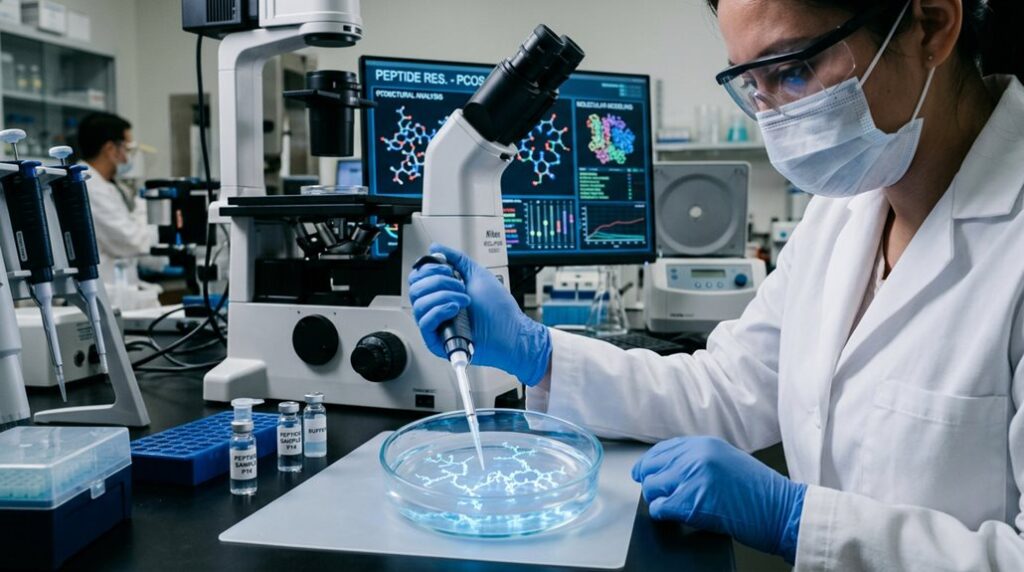
Emerging research shows peptides could be key in managing PCOS by targeting hormonal and metabolic dysfunctions. Peptides like GLP-1 receptor agonists help improve insulin sensitivity, support weight loss, and promote ovulation, offering combined metabolic and reproductive benefits. New therapies such as kisspeptin and neurokinin receptor antagonists aim to rebalance hormonal
Budding research suggests peptides may enhance post-surgical recovery, but understanding their full potential requires exploring ongoing studies and safety considerations.

Gaining youthful skin may be possible with peptides, but understanding how they boost collagen and elasticity can help you make informed choices.

Lurking within your gut-brain connection are peptides that influence your mood and health, revealing a complex system worth exploring further.
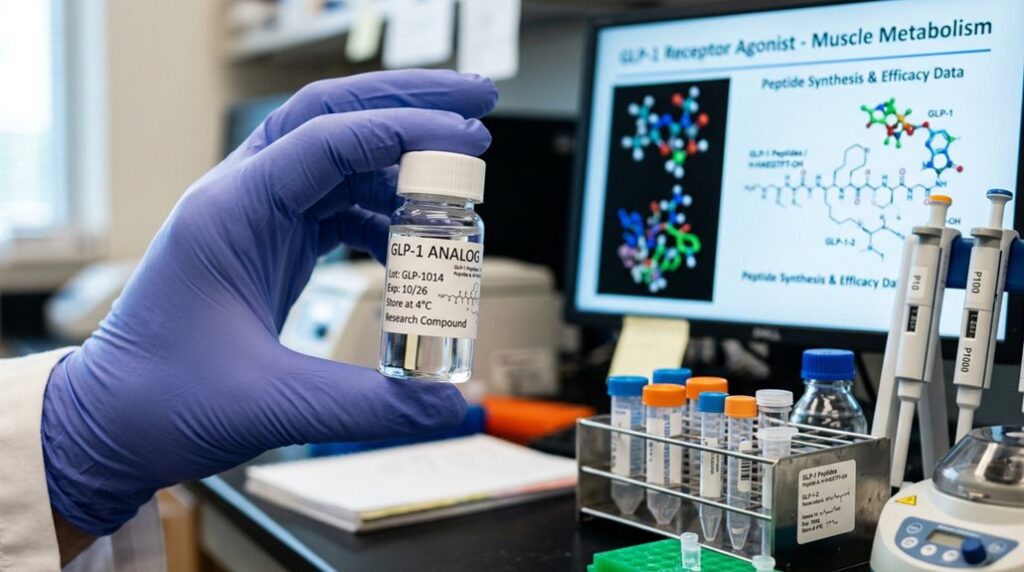
Gaining insight into GLP-1 peptides reveals potential muscle loss concerns, but understanding strategies to preserve strength can make all the difference.