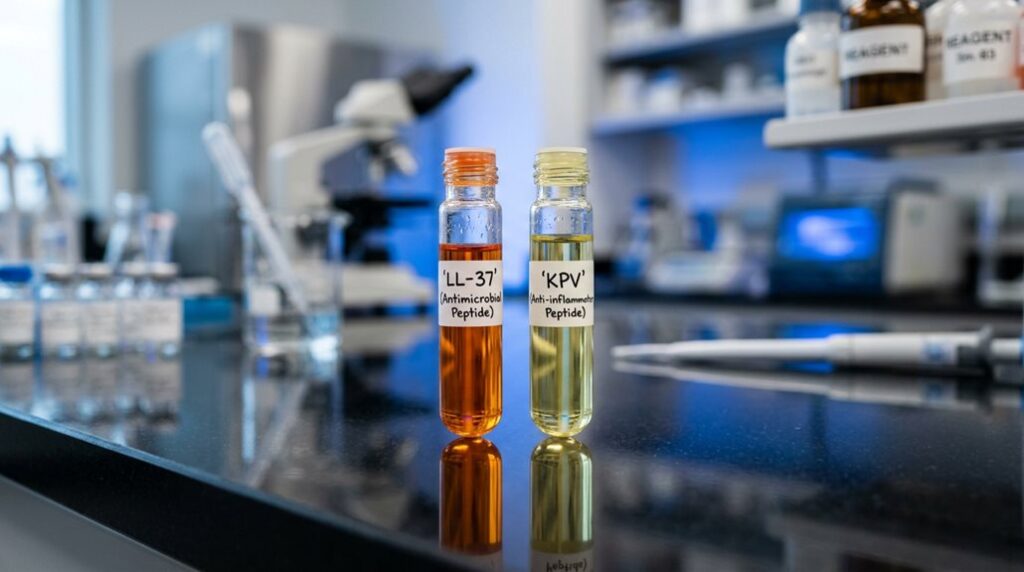
As an athlete considering peptide therapy, it’s essential to understand that many peptides, including hormones and growth factors, are prohibited by WADA’s regulations and can lead to doping violations if detected, whether administered via topical or injectable forms. While some peptides may qualify for therapeutic use with a valid Therapeutic Use Exemption (TUE), most are banned unless explicitly approved. To remain compliant and avoid sanctions, you must carefully verify the legal status of each peptide and follow official guidelines—further details will clarify how to steer through these complex regulations.
TLDR
- Most performance-enhancing peptides are prohibited by WADA and can lead to doping violations if detected.
- Peptides like growth hormone analogues and hormone stimulants are strictly banned at all times.
- Use of peptides requires careful review; topical or injectable forms may still be prohibited regardless of marketing claims.
- Therapeutic Use Exemptions (TUE) can permit legitimate medical peptide use if properly documented and approved.
- Ensuring compliance involves verifying peptide status, working with medical professionals, and avoiding unapproved or banned substances.
Are Peptides Allowed for Athletes? What You Need to Know
Although peptides are increasingly marketed to athletes for recovery, healing, and performance, they aren’t automatically permitted under anti-doping rules.
Many specific peptide hormones, growth factors, and related substances are prohibited by WADA’s 2026 list.
Use of peptides requires careful, substance-by-substance review, as even topical or injectable forms can be banned, regardless of marketing claims.
Epitalon and Thymosin Alpha-1 involve different biological targets and evidence bases, which can influence their regulatory status in sport. anti-doping regulations
How WADA Classifies Peptides and What That Means for You
WADA classifies many performance-related peptides under S2, including hormones, growth factors, and mimetics. These are prohibited at all times if they’re exogenous. This means any detected prohibited peptide, whether for recovery or performance, risks a doping violation. This emphasizes the importance of checks against the current list and understanding how metabolic signaling peptides like MOTS-c fit into ongoing regulatory discussions metabolic signaling and their potential implications for eligibility.
Which Peptides Are Banned and Which Are Allowed?
Determining which peptides are banned and which are allowed under WADA regulations requires careful attention to specific classifications and ingredient details, as only certain performance-related substances face prohibition.
Growth hormone analogues, growth factors, and hormone stimulants like buserelin or triptorelin are strictly banned at all times. peptide regulation
Can You Use Peptides Legally With a TUE? Here’s How

Using peptides legally under a Therapeutic Use Exemption (TUE) is possible, but it requires strict adherence to WADA’s regulations. You must demonstrate a legitimate medical need, provide supporting documentation, and verify the peptide treatment isn’t intended for performance enhancement. Approval depends on clear medical diagnosis, no available alternatives, and proper application through your anti-doping organization. N-Acetyl Semax can be compared to Semax in terms of stability and research findings, which may influence the justification for its medical use under a TUE.
What Are the Risks of Using Peptides in Sports?
The use of peptides in sports carries significant risks that athletes must carefully consider before opting for these substances. These include potential health issues like hormonal disruption, cardiovascular problems, and organ damage, as well as safety concerns from variable product quality. Additionally, many peptides are prohibited by WADA, risking anti-doping violations, sanctions, and long-term health uncertainties. Peptide therapies can also provoke immune responses or allergic reactions in some individuals, underscoring the need for careful medical supervision and adherence to evidence-based dosing. Safety considerations are essential when evaluating these therapies, as researchers assess factors such as pharmacokinetics, potential off-target effects, and long-term safety data before drawing conclusions about risk profiles.
How to Stay Doping-Free When Using Peptides
To stay doping-free when using peptides, you must first verify the current status of each substance by consulting reliable sources like the WADA Prohibited List, which updates annually to reflect new substances and regulations.
It’s equally important to seek a valid Therapeutic Use Exemption (TUE) from medical authorities before treatment if the peptide is potentially prohibited, guaranteeing your use aligns with anti-doping rules.
Maintaining thorough records, regularly rechecking product formulations, and working with licensed medical professionals help guarantee your peptide therapy remains compliant and minimizes the risk of inadvertent violations.
Verify Substance Status
Because the World Anti-Doping Agency (WADA) maintains an extensive list of prohibited substances, verifying the status of any peptide before use is essential to guarantee compliance and avoid unintentional doping violations.
You should consult the current WADA Prohibited List, use trusted sources like Global DRO, and compare product labels carefully, especially with unapproved or experimental peptides, to make certain your substances are permitted in sport.
Seek Valid TUE
Securing a valid Therapeutic Use Exemption (TUE) is the most reliable way to guarantee compliance with anti-doping regulations when using peptides for medical reasons.
You must apply through your Anti-Doping Organization, ensuring your diagnosis matches approved indications, and provide proper documentation.
Do this before starting therapy, and avoid relying on retroactive approvals or unapproved peptides to stay doping-free.
Key Tips for Navigating Peptide Regulations and Staying Compliant
Effectively steering peptide regulations requires a thorough understanding of current anti-doping policies and a proactive approach to compliance, especially given the changing nature of the prohibited substances list, and it is essential to verify every product and ingredient before use 503A and 503B to ensure compliant sourcing.
Frequently Asked Questions
Can Peptides Be Detected in Doping Tests Even With Therapeutic Use?
Yes, peptides can be detected even with therapeutic use because anti-doping tests identify both the substances and biological effects, and metabolites or biomarker changes may linger, making detection possible regardless of medical supervision or TUE approval.
Are Over-The-Counter Peptides Safe and Compliant for Athletes?
Over-the-counter peptides aren’t safe or compliant for athletes because they often fall under prohibited categories, pose health risks, and can lead to doping violations, even with medical prescriptions. Always verify products against current anti-doping rules before use.
How Does WADA Update the List of Prohibited Peptides Annually?
You learn that WADA updates its prohibited peptides list annually through a scientific review process, stakeholder feedback, and committee approval, ensuring new substances like pegmolesatide are added to stay ahead of developing doping risks.
Do All Peptide Injections Carry the Same Anti-Doping Risk?
Not all peptide injections carry the same anti-doping risk. The risk depends on whether the peptide is on the prohibited list, non-approved, contaminated, or mislabeled. Always check the specific substance before use to avoid sanctions.
Can Non-Performance-Enhancing Peptides Still Lead to Doping Violations?
Yes, even non-performance-enhancing peptides can lead to doping violations if they’re on the prohibited list, found in your possession, administered, or attempted, because WADA enforces strict liability regardless of whether the peptide is used for recovery or medical reasons.
Final Note
Understanding the regulations surrounding peptide use in sports is essential to maintain compliance and integrity. By staying informed about WADA classifications, avoiding banned substances, and knowing how to legally obtain a Therapeutic Use Exemption (TUE) when appropriate, you can minimize the risk of doping violations. Carefully evaluate the potential health risks associated with peptide use and adhere strictly to established guidelines. Ultimately, responsible decision-making and thorough knowledge are key to competing ethically and safely in athletic competitions.
References
- https://www.wada-ama.org/en/news/wadas-2026-prohibited-list-now-force
- https://www.wada-ama.org/en/news/reminder-wadas-2026-prohibited-list-comes-force-1-january
- https://www.usada.org/spirit-of-sport/peptides-growth-hormones-cosmetics/
- https://www.wada-ama.org/sites/default/files/2025-09/2026_list_explanatory_note_en_final_september_2025.pdf
- https://www.wada-ama.org/en/prohibited-list
- https://www.sportintegrity.gov.au/what-we-do/anti-doping/substance-education/prohibited-list-explained
- https://www.nada.de/en/service/news/news-detail/wada-publishes-prohibited-list-2026
- https://www.thefa.com/-/media/files/thefaportal/governance-docs/anti-doping/wada-prohibited-list-2026.ashx
- https://www.usada.org/spirit-of-sport/2026-wada-prohibited-list/
- https://www.wada-ama.org/sites/default/files/2025-12/Athlete and Athlete Support Personnel Guide to the 2026 Prohibited List.pdf