The best copper peptides for skin, particularly GHK-Cu, are recognized for their ability to stimulate collagen and elastin production, support skin repair, and reduce signs of aging. High-quality products should list clear, verifiable ingredients with transparent concentrations, ensuring stability and efficacy. When choosing, verify reputable sourcing and proper packaging to prevent degradation. Using these peptides correctly—on clean, damp skin and layered with compatible ingredients—can lead to gradual but noticeable improvements over time. Continuing to investigate these options helps you make informed, effective skincare decisions.
TLDR
- Look for products containing well-known peptides like GHK-Cu, ensuring high-quality, stabilized formulations.
- Verify transparency with Certificates of Analysis and clear ingredient labels indicating copper peptide concentration.
- Choose formulations suited for your skin type, focusing on hydrating, soothing ingredients, and avoiding strong actives in the same routine.
- Opt for products designed for skin repair, collagen stimulation, and wound healing to maximize anti-aging benefits.
- Prioritize reputable brands with positive reviews and documented efficacy for safe, effective copper peptide skincare.
What Are Copper Peptides and How Do They Benefit Skin?
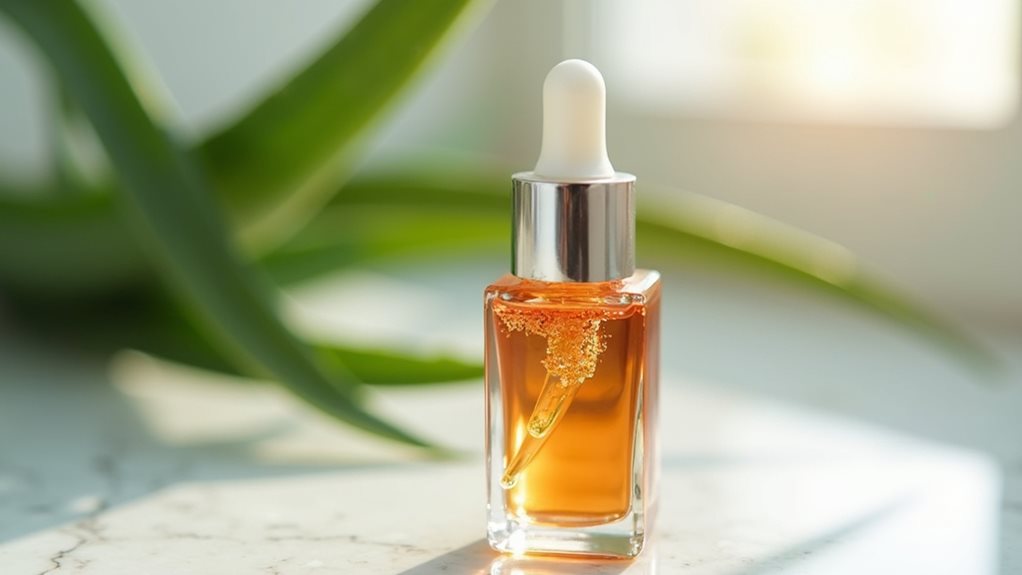
Copper peptides are specialized molecules composed of short chains of amino acids bonded to copper ions, with GHK-Cu being the most extensively studied form in skincare applications.
They act as signaling molecules, facilitating skin repair and regeneration by promoting collagen and elastin production, supporting wound healing, and reducing signs of aging.
Their ability to influence cellular pathways makes them beneficial in maintaining healthy, resilient skin.
Glutathione, a tripeptide antioxidant, has been studied for skin brightening, liver support, and cellular aging, contributing to cellular detoxification and protective mechanisms at the skin level glutathione’s antioxidant activity.
How to Identify High-Quality Copper Peptide Products
To identify high-quality copper peptide products, you should carefully examine ingredient labels for clear and specific terms like “Copper Tripeptide-1” or “GHK-Cu,” while avoiding vague descriptions that lack detailed concentration information.
Verifying that the product has credible documentation, such as a Certificate of Analysis supporting its purity and active copper content, is vital to guarantee potency and safety.
Additionally, pay attention to formulation details, including concentration levels, pH stability, and packaging quality, as these factors influence the product’s effectiveness and shelf life.
Known safety profiles and the factors above help ensure you select products with verifiable quality and consistent performance.
Ingredient Transparency and Concentration
Identifying high-quality copper peptide products begins with understanding how transparency in labeling and ingredient concentration reveals their true potency.
Look for the exact INCI name, Copper Tripeptide-1, and note its position in the ingredient list—preferably in the first half—indicating a meaningful dose.
Clear disclosure of percentage and supporting documentation, like a certificate of analysis, further guarantees product reliability.
Formulation Focus and Claims
A key factor in evaluating the quality of copper peptide products lies in their formulation stability and pH compatibility, as these elements directly influence the peptide’s effectiveness and longevity. High-quality products maintain stability within a mildly acidic to neutral pH range, avoid destabilizing acids or chelators, and use delivery systems that enhance skin absorption, ensuring the peptide remains active and effective over time.
Are Copper Peptides Safe? What You Need to Know
Copper peptides are generally regarded as safe for topical skin applications, with most studies indicating a low risk of irritation or adverse reactions when used within recommended concentrations.
Temporary redness, tingling, or skin discoloration can occur, especially with higher concentrations or sensitive skin.
Patch testing and appropriate use help minimize risks, especially for sensitive or compromised skin.
Copper peptide safety is supported by research noting low incidence of adverse reactions in typical cosmetic use.
Do Copper Peptides Help Reduce Wrinkles and Fine Lines?
Research indicates that copper peptides, particularly GHK-Cu, can contribute to the reduction of wrinkles and fine lines through their influence on skin structure and regeneration processes. In topical applications, evidence shows collagen synthesis and extracellular matrix remodeling at the site of use, supporting measurable improvements in skin elasticity and texture over time, with clinical practice noting incremental rather than complete reversal of aging signs. copper-dependent signaling guides tissue-restoration processes and helps ensure proper cross-linking of collagen through enzymes like lysyl oxidase.
How Do Copper Peptides Support Skin Recovery After Treatments?
The healing process after skin treatments like laser resurfacing, microneedling, or chemical peels involves biological mechanisms that restore and strengthen the skin’s structure.
Copper peptides support this by promoting wound healing, reducing inflammation, and stimulating collagen and elastin production.
They also help restore the skin barrier and hydration, facilitating a faster, more organized recovery process.
Copper peptides can modulate inflammatory responses at the wound site, which may contribute to a calmer healing environment and improved outcomes Collagen and elastin synthesis.
How to Use Copper Peptides With Hyaluronic Acid and Retinoids
When incorporating copper peptides into your skincare routine alongside hyaluronic acid and retinoids, understanding how to optimize their use can help maximize benefits while minimizing irritation.
Typically, hyaluronic acid is applied first on damp skin for hydration, followed by copper peptides after absorption.
Retinoids are best used on separate nights or after waiting 10–20 minutes if layered, to avoid irritation.
Copper peptides benefit from using a moisturizer afterward to seal in hydration and reduce potential irritation. stability profile
What Are the Real Results You Can Expect From Copper Peptides?
Expectations for the visible effects of copper peptides on your skin tend to be realistic and measured, with most users noticing gradual improvements rather than immediate changes.
Clinical studies show increased skin density, firmness, and reduced fine lines after 8 to 12 weeks.
Benefits are typically modest, including better hydration, smoother texture, and enhanced elasticity, primarily benefiting aging or damaged skin.
Additionally, understanding how copper peptides interact with the skin’s healing processes can help explain why improvements may occur over time receptor activity and why results vary among individuals.
How to Incorporate Copper Peptides Into Your Daily Skincare Routine
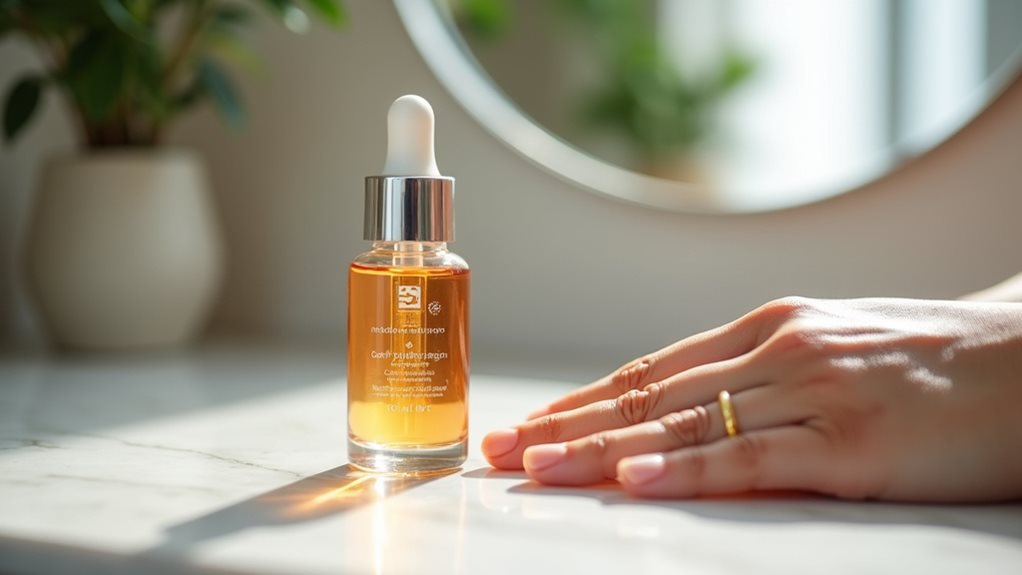
To effectively incorporate copper peptides into your daily skincare routine, you should apply them to clean, dry skin after cleansing and toner. Ensuring they sit before heavier creams or oils is important.
Timing and layering are also key; for example, using the serum in the morning before sunscreen or at night before moisturizer.
When combining with other products like retinol or vitamin C, it’s advisable to space out applications to prevent destabilization.
Following these guidelines can help optimize absorption and minimize irritation, especially as you gradually increase frequency to suit your skin’s tolerance.
In addition, refer to purity testing practices such as HPLC and mass spectrometry to ensure the peptide you’re using meets quality standards and contains the intended active ingredients. Purity testing
Optimal Application Timing
Incorporating copper peptides into your daily skincare routine requires careful attention to ideal timing and placement to maximize their benefits and minimize the risk of irritation.
Typically, applying them once daily at night after cleansing allows best absorption and skin repair during sleep.
For those with tolerant skin, twice-daily use—morning and night—can be effective when placed after cleansing and before heavier creams.
Layering With Other Products
Layering copper peptides effectively within your skincare routine involves understanding the proper order of product application and how different formulations interact.
Apply copper peptides after cleansing and toning, on slightly damp skin, before heavier creams or oils.
Pair with hydrating ingredients like hyaluronic acid, and avoid layering with acidic or strong actives like vitamin C or retinoids to prevent irritation.
Frequently Asked Questions
Can Copper Peptides Be Used Alongside Other Active Skincare Ingredients?
You can use copper peptides with gentler ingredients like niacinamide and hyaluronic acid, but avoid mixing them with acids, retinoids, or vitamin C in the same routine unless the product specifically states compatibility to prevent irritation or instability.
How Long Does It Take to See Visible Skin Improvements With Copper Peptides?
You’ll usually see hydration and texture improvements within 2–4 weeks, with smoother skin and subtle firmness gains at 4–8 weeks. Noticeable anti-aging changes like fine-line reduction often appear around 8–12 weeks with consistent use.
Are There Any Known Side Effects or Skin Sensitivities Linked to Copper Peptides?
You might experience mild redness, tingling, or dryness initially, especially with higher concentrations or overuse. Sensitive skin can react more, but most side effects are temporary. Patch testing helps prevent adverse reactions and guarantees safe use.
Can Copper Peptides Help With Hyperpigmentation or Uneven Skin Tone?
Copper peptides may help improve uneven skin tone and mild hyperpigmentation gradually by supporting skin repair and cell turnover, but they aren’t a primary treatment. Results are subtle, and more evidence is needed for significant pigment correction.
Is There an Ideal Age to Start Incorporating Copper Peptides Into a Skincare Routine?
You can start using copper peptides in your skincare routine in your late 20s or early 30s, especially if you notice early signs of aging. They’re suitable at any age for support, repair, and prevention of collagen loss.
Final Note
Incorporating copper peptides into your skincare routine can support skin renewal, improve elasticity, and reduce signs of aging when used correctly and consistently. Understanding product quality, safety, and proper application—especially in combination with other active ingredients—helps optimize results while minimizing risks. By following informed guidance and selecting high-quality formulations, you can achieve healthier, more resilient skin over time. Remember, patience and adherence to recommended usage are key to realizing the full benefits of copper peptides.
References
- https://www.healthline.com/health/copper-peptides
- https://www.womenshealthmag.com/beauty/a71052909/what-are-copper-peptides/
- https://www.npr.org/transcripts/nx-s1-5955552
- https://www.npr.org/2026/09/07/nx-s1-5955552/copper-peptides-skin-aging-health-safe
- https://www.npr.org/2026/09/07/nx-s1-5955552-e1/the-copper-peptide-trend-has-gone-from-creams-to-injections-ahead-of-the-science
- https://www.healthline.com/health/peptides-skincare
- https://www.womenshealthmag.com/beauty/a65617059/copper-peptides-for-skin/