
Glutathione is a critical antioxidant that supports your body’s detoxification, immune function, and cellular health by neutralizing free radicals and maintaining redox balance. It benefits skin, liver, and mitochondrial health, and emerging research investigates its role in disease prevention and treatment, including chronic illnesses. Side effects are rare but may include gastrointestinal issues at high doses, and bioavailability varies among formulations. Understanding how to optimize its use can enhance your health; delve further to learn how effective supplementation and natural strategies can complement your wellness goals.
TLDR
- Glutathione is a vital antioxidant that neutralizes free radicals, supports detoxification, and promotes cellular health.
- It enhances immune function, skin health, and protects against environmental damage and UV harm.
- Side effects are generally mild, including gastrointestinal discomfort; high doses or IV use may pose risks.
- Its mechanism involves redox signaling, supporting mitochondrial function, and detoxification pathways.
- Ongoing research explores targeted delivery methods and therapeutic applications for chronic diseases and aging.
What Is Glutathione and How Does It Support Your Body?

Although often overlooked, glutathione plays a critical role in maintaining your overall health by functioning as a primary antioxidant within your body. It’s a tripeptide made of three amino acids—cysteine, glutamate, and glycine—that the liver naturally synthesizes. This molecule neutralizes harmful free radicals, supports detoxification, and aids cellular processes essential for tissue health and maintenance. Antimicrobial properties of glutathione have been explored in antibacterial and antiviral contexts, highlighting its role in cellular defense and modulation of inflammatory responses.
How Can Glutathione Boost Your Immune and Skin Health?
Glutathione’s role extends beyond cellular detoxification to considerably influence immune function and skin health, making it an essential component in maintaining overall well-being.
It enhances immune responses by supporting T-cell proliferation, regulating inflammation, and neutralizing harmful molecules.
For skin health, it promotes tissue repair, reduces oxidative stress, and protects against environmental damage, thereby supporting skin integrity and resilience.
GSH also participates in redox signaling that can influence cellular repair processes and may interact with antioxidant defense systems to bolster skin protection against UV-induced damage. GSH-mediated redox signaling
Why Glutathione Is Key to Liver and Mitochondrial Health?
The health of your liver and mitochondria hinges on their ability to efficiently process toxins, generate energy, and maintain cellular balance. Functions that can be markedly supported by glutathione. It binds with toxins for removal, neutralizes free radicals, and supports liver regeneration. Epitalon and Thymosin Alpha-1 are both studied in longevity research but target different systems. See how their mechanisms and evidence compare. Longevity research
Are There Any Risks? Understanding Glutathione Side Effects and Safety?
While glutathione is widely recognized for its safety and tolerability, understanding potential risks and side effects is essential for informed use.
Most side effects are mild, such as gastrointestinal discomfort, headaches, or allergic reactions, which typically resolve quickly.
Serious adverse events like allergic responses or interactions with medications are rare but require caution, especially with high doses or intravenous administration.
New research continues to evaluate how individual factors, such as bioavailability differences, may influence responses to glutathione supplementation and the potential for variability in safety profiles.
Which Glutathione Supplements Work Best and How Much Should You Take?
Choosing the most effective glutathione supplement involves considering formulations that maximize absorption, such as liposomal or sublingual options, rather than standard tablets that may break down before absorption occurs.
Proper dosage strategies typically begin with low amounts—around 25 mg per serving—and gradually increase to assess tolerance.
Long-term supplementation of 500 mg or more can provide modest increases in glutathione levels for some individuals.
It’s important to select reputable brands verified by third-party testing, ensuring product quality and safety, especially since the FDA doesn’t regulate these supplements directly. Animal studies vs human trials emphasize the need for cautious interpretation of research claims since much of the peptide evidence base comes from animal studies rather than human trials.
Most Effective Supplement Forms
Understanding which form of glutathione supplement offers the highest effectiveness is essential for maximizing its health benefits, especially given the variations in bioavailability and absorption efficiency among different formulations.
Liposomal glutathione provides the highest systemic absorption by encapsulating the molecule in lipid vesicles.
S-Acetyl-GSH offers superior stability and absorption, making it a reliable choice for maintaining intracellular glutathione levels.
Optimal Dosage Strategies
Selecting the appropriate glutathione supplement and dosage depends on your health goals, absorption needs, and response to formulations.
For general maintenance, 250–500 mg daily suffices, while therapeutic doses range from 250–1,000 mg.
Liposomal and sublingual forms often require lower doses due to better absorption, with 100–300 mg daily typically being effective and safe.
How Precursors Like NAC and Glycine Help Increase Glutathione Levels?
Precursors like N-acetylcysteine (NAC) and glycine play a crucial role in elevating glutathione levels by directly supplying essential substrates needed for its synthesis.
NAC replenishes cysteine, the rate-limiting amino acid, while glycine provides a critical component for completing the tripeptide structure. Together, they support glutathione production, especially in conditions of oxidative stress or aging, enhancing overall cellular health. dual incretin This synergy aligns with how multiple metabolic pathways can influence cellular redox balance and energy metabolism.
What Does Research Say About Glutathione’s Effectiveness in Preventing Disease?
Research indicates that glutathione plays a significant role in preventing and mitigating a variety of diseases, particularly those related to inflammation, infection, and oxidative stress.
Studies suggest that increasing glutathione levels may reduce severity and improve outcomes in inflammatory conditions, viral infections like COVID-19, and neurodegenerative diseases.
While promising, ongoing research continues to clarify its full preventive potential.
In addition, emerging findings indicate that mitochondrial-derived peptides and their interplay with cellular stress responses may influence antioxidant defenses, potentially linking mitochondrial biology to glutathione pathways mitochondrial biology.
Simple Ways to Naturally Raise Your Body’s Glutathione Levels?
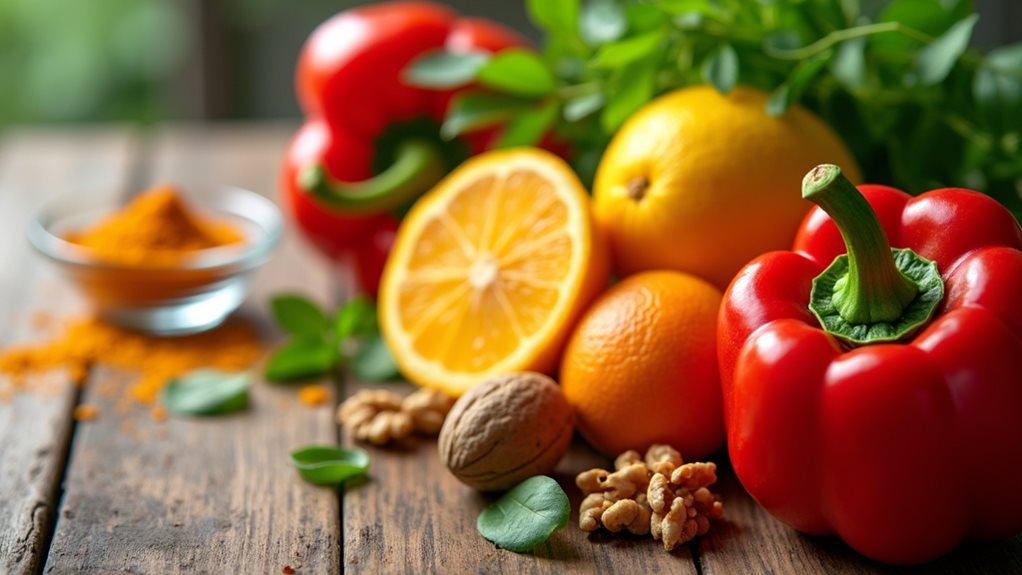
To naturally raise your body’s glutathione levels, you can incorporate dietary choices like sulfur-rich vegetables such as broccoli, garlic, and onions, which support its synthesis.
Including protein sources like whey, dairy, and organ meats provides amino acids essential for production.
Lifestyle habits like regular exercise, adequate sleep, and stress management help maintain ideal glutathione regeneration.
A stability profile of compounds like N-Acetyl Semax versus Semax highlights how structural differences can influence longevity and effectiveness in clinical or research contexts.
Is Glutathione Right for You? Who Should Consider Supplementing?
Determining whether glutathone supplementation is appropriate for you depends on your health status, underlying conditions, and risk factors.
If you have chronic illnesses like cystic fibrosis, AIDS, Parkinson’s, or liver-related issues, supplementation might offer benefits, but always consult a healthcare professional.
Individuals exposed to toxins or experiencing chronic stress may also consider it, with medical guidance.
Glutathione plays a central role in antioxidant defense and detoxification, and addressing its status can influence immune support.
The Future of Glutathione: New Insights and Therapeutic Possibilities?
Advances in delivery methods, such as nanotechnology and targeted administration systems, promise to enhance the effectiveness and safety of glutathione supplementation, making therapies more precise and personalized.
Researchers are also exploring novel therapeutic targets that utilize glutathione’s role in managing oxidative stress, inflammation, and cell death, which could lead to new treatments for chronic and degenerative diseases.
As these developments progress, understanding individual differences through personalized strategies will become essential, ensuring that interventions are customized to maximize benefits and minimize risks for each patient.
Glutathione stability is a critical consideration in designing effective delivery strategies, and ongoing research aims to optimize formulation and storage to preserve therapeutic potential.
Emerging Delivery Methods
Emerging delivery methods for glutathione are revolutionizing its therapeutic application by addressing longstanding challenges related to bioavailability and effective intracellular delivery.
Techniques like liposomal and phospholipid encapsulation protect glutathione from enzymatic breakdown, enhancing absorption.
Orobuccal and sublingual routes bypass gastrointestinal degradation.
Chemical modifications and prodrugs improve stability and absorption, ensuring higher plasma and cellular concentrations for targeted health benefits.
Novel Therapeutic Targets
Have you ever considered how manipulating glutathione levels could alter the future of disease prevention and treatment? Researchers are exploring ways to target glutathione pathways in chronic diseases, cancer, and infectious conditions.
Personalized Glutathione Strategies
As our understanding of glutathione’s essential role in cellular health deepens, personalized strategies for optimizing its levels are becoming increasingly feasible and relevant for customized therapeutic interventions.
By tailoring doses based on individual metabolic responses, utilizing advanced delivery systems like liposomal formulations, and monitoring safety, you can maximize benefits while minimizing risks.
This approach ensures targeted, effective support for your specific health needs.
Frequently Asked Questions
Can Glutathione Supplementation Improve Athletic Performance?
Glutathione supplementation might help your recovery and reduce muscle fatigue, but evidence on improving overall athletic performance is still inconclusive. You may experience benefits in muscle repair and oxidative stress, but results vary between individuals.
Does Glutathione Cause Weight Loss or Assist in Fat Reduction?
Glutathione doesn’t directly cause weight loss but supports fat reduction by improving metabolism, liver function, and insulin sensitivity. Higher levels are linked to better fat burning, making it a helpful supplement for those aiming to lose weight.
How Long Does It Take to See Benefits From Glutathione Supplements?
You’ll likely notice benefits from glutathione supplements within 2 to 8 weeks, depending on your dosage, health, and skin tone. Consistent use and proper timing enhance absorption, helping you see improvements in skin brightness, energy, and overall wellness.
Are There Differences Between Oral, Topical, and Injectable Glutathione?
You’ll notice differences: oral glutathione offers gradual, sustainable effects and is safe; topical provides targeted, quick results for skin issues; injectables give rapid spikes but carry higher risks and less lasting benefits. Choose based on your goals and safety.
Can Glutathione Help With Age-Related Cognitive Decline?
Yes, glutathione can help with age-related cognitive decline by reducing oxidative stress, supporting neuronal health, and maintaining redox balance. Increasing glutathione levels may protect memory and cognitive functions, potentially slowing neurodegeneration associated with aging.
And Finally
Understanding glutathione’s essential roles in supporting immune function, skin health, and cellular integrity can guide you in making informed decisions about supplementation and lifestyle adjustments. While generally safe when used appropriately, consulting healthcare professionals guarantees personalized guidance, especially if you have underlying health conditions. By integrating natural methods to enhance your glutathione levels and staying informed on ongoing research, you can optimize your health potential effectively and safely, maintaining a balanced approach rooted in evidence-based practices.
References
- https://www.healthline.com/health/glutathione-benefits
- https://pmc.ncbi.nlm.nih.gov/articles/PMC11862975/
- https://pmc.ncbi.nlm.nih.gov/articles/PMC5413479/
- https://www.webmd.com/vitamins-and-supplements/glutathione-uses-risks
- https://pmc.ncbi.nlm.nih.gov/articles/PMC3162377/
- https://pmc.ncbi.nlm.nih.gov/articles/PMC6389332/
- https://www.uclahealth.org/news/article/ask-the-doctors-what-do-glutathione-supplements-do
- https://pmc.ncbi.nlm.nih.gov/articles/PMC4684116/
- https://pmc.ncbi.nlm.nih.gov/articles/PMC9616098/





Pingback: AOD-9604 Vs HGH Fragment 176-191 - PeptAtlas