Humanin is a 24-amino-acid mitochondrial peptide, discovered in 2001 during Alzheimer’s research, that protects your cells from stress-related damage. You’ll find it works by blocking cell death pathways—specifically binding BAX and other pro-death proteins—while activating survival signals through JAK2/STAT3 and PI3K/AKT pathways. Your body produces less Humanin as you age, which researchers link to declining mitochondrial function and increased vulnerability to neurodegeneration, metabolic disease, and cardiovascular injury. Studies show it reduces amyloid-beta toxicity, preserves insulin sensitivity, and limits heart damage after ischemia, though all evidence remains preclinical. If you’re considering Humanin, you should know it lacks FDA approval, human safety data, and established dosing—it’s currently a research chemical only. Side effects, dosing protocols, and legal status remain uncertain and require careful examination.
TLDR
- Humanin is a mitochondrial peptide with neuroprotective, anti-apoptotic, and metabolic benefits in preclinical studies.
- It blocks cell death by binding pro-apoptotic proteins and activating survival pathways like JAK2/STAT3 and PI3K/AKT.
- Humanin levels decline with age, with exercise and fasting showing preliminary promise for natural elevation.
- No human clinical trials exist; safety data relies solely on animal models and unverified anecdotal reports.
- Humanin remains unapproved for human use, legally classified as a research chemical without established safe dosing.
What Is Humanin? Origins and Discovery

What exactly is Humanin, and why does a tiny peptide encoded in your mitochondria matter for your health?
Humanin is a 24-amino-acid peptide produced naturally in your body, specifically from the MT-RNR2 gene in your mitochondrial DNA.
Detected in 2001 during Alzheimer’s research, it was the first new mitochondrial peptide found in over thirty years, establishing that your mitochondria don’t just produce energy—they also generate their own protective signaling molecules. mitochondrial signaling
Why Humanin Matters: Neuroprotection, Metabolism, and Heart Health
Now that you understand where Humanin comes from and how it was discovered, you’re ready to see why this mitochondrial peptide has captured researchers’ attention across multiple fields of medicine. It also engages in metabolic regulation related to insulin sensitivity and mitochondrial function, which may complement weight-management strategies in metabolic disease contexts mitochondrial function.
How Humanin Blocks Cell Death: Mechanisms Explained
You’ll find that Humanin guards your cells against destruction through three interconnected strategies: it halts mitochondrial apoptosis by binding directly to pro-death proteins like BAX and preventing their deadly activation, it sparks survival cascades through receptor signaling that activates protective pathways such as ERK1/2 and JAK2/STAT3, and it reduces oxidative stress by limiting ROS production and reinforcing your cellular antioxidant defenses. In addition, emerging evidence highlights how immune-modulatory signaling may intersect with these cytoprotective effects to support tissue resilience under metabolic stress immune modulation and further links between mitochondrial signaling and longevity pathways.
Mitochondrial Apoptosis Inhibition
How exactly does a small peptide keep your cells alive when they’re under siege? Humanin binds directly to pro-apoptotic proteins BAX, BID, and BIM in your cytosol, preventing their movement to the mitochondrial outer membrane.
This blockade stops BAX pore formation, preserves membrane integrity, and suppresses cytochrome c release.
Consequently, you avoid apoptosome assembly, caspase-3 activation, and cell death execution.
Pro-Survival Pathway Activation
Although Humanin blocks cell death from inside the cell, it’s equally powerful when it acts from the outside, binding to cell surface receptors that flip survival switches across your signaling networks.
You’ll find Humanin engaging FPRL1/2 and CNTFR-family receptors, which activate ERK1/2, JAK2/STAT3, and PI3K/AKT pathways. These kinase cascades converge on transcription programs that bolster your cells’ resilience against diverse stressors through complementary, pleiotropic signaling.
Oxidative Stress Reduction
Beyond activating survival pathways through receptor signaling, Humanin protects your cells by directly combating oxidative stress at its source. It reduces reactive oxygen species production, preserves mitochondrial function by limiting electron transport chain leakage, and enhances antioxidant defenses through the Keap1/Nrf2 pathway.
You’ll also benefit from restored chaperone-mediated autophagy, which clears damaged proteins and lowers oxidative injury across multiple cell types.
Humanin for Brain Health: Alzheimer’s and Stroke Research

You can see how Humanin’s neuroprotective mechanisms—spanning anti-apoptotic signaling, mitochondrial defense, and synaptic preservation—have generated substantial interest in Alzheimer’s disease and stroke research, though you should recognize that these findings remain confined to laboratory and animal studies rather than confirmed human trials. A growing body of preclinical data also highlights interactions with mitochondrial quality-control pathways that may influence cellular resilience under stress mitochondrial defense. While preclinical work demonstrates promising effects against amyloid-beta toxicity, cognitive decline, and ischemic injury, you need to understand that no established clinical applications exist for human use at this time. This gap between robust mechanistic evidence and actual therapeutic translation represents a critical limitation you’ll want to keep in mind when evaluating Humanin’s current potential for brain health.
Neuroprotective Mechanisms
How does a small mitochondrial peptide protect your brain from some of the most devastating neurodegenerative conditions known to medicine? Humanin shields your neurons by binding pro-apoptotic Bax, preventing mitochondrial cell death, while activating Jak2/STAT3 survival signaling. It suppresses amyloid-beta toxicity, preserves synaptic structure through enhanced dendritic branching, and reduces tau hyperphosphorylation via PP2A activation, offering thorough defense against Alzheimer’s pathology.
Clinical Translation Status
While the mechanisms behind humanin’s neuroprotective effects are increasingly well understood, you’re probably wondering where this research actually stands in terms of helping patients.
Unfortunately, humanin remains preclinical for brain-health applications, with no completed human trials for Alzheimer’s disease or stroke.
Promising animal studies show reduced amyloid burden and improved memory, but translation to patients hasn’t occurred, making humanin a candidate therapy rather than established treatment.
Humanin and Metabolism: Glucose Control and Insulin Studies

Whether you’re exploring metabolic health or researching mitochondrial biology, you’ll find that humanin—a small, 24-amino-ac-acid peptide produced by mitochondria—has garnered significant scientific attention for its potential role in glucose regulation and insulin function. In addition, emerging preclinical work suggests that glucose regulation can be modulated by humanin signaling, with effects on both insulin sensitivity and beta-cell resilience.
Humanin for Heart Health: Ischemia and Atherosclerosis Research
Why should a tiny mitochondrial peptide matter for your cardiovascular system? Humanin and its analog HNG shield your heart during ischemia-reperfusion injury, cutting infarct size and boosting ejection fraction whether delivered before or during damage. They spark antioxidant defenses like catalase and GPx within minutes, preserve mitochondrial structure, and dial down apoptosis through Bax and Bcl-2 modulation. You’ll also find vascular protection, as humanin curbs oxidative stress in endothelial cells and supports atherosclerosis resistance through consistent redox regulation across cardiac and vascular tissues.
Why Humanin Declines With Age: and Can You Raise It Naturally?
As you age, your humanin levels naturally fall because this mitochondrial-derived peptide, which originates from the MT-RNR2 region of your DNA, becomes less abundant alongside the broader decline in mitochondrial function and cellular stress resilience that characterizes aging. Regular physical activity has been linked to humanin-related metabolic adaptations, and maintaining healthy insulin sensitivity and body composition can support mitochondrial health that underpins humanin levels BDNF upregulation and neuroprotection. These lifestyle factors address the underlying mitochondrial health that humanin depends upon, though you should understand that current evidence remains observational and preclinical rather than definitive.
Mitochondrial Dysfunction Link
Because humanin originates directly from your mitochondria’s own DNA, its levels and your cellular energy health are deeply intertwined, meaning that when mitochondrial function begins to falter, you’re likely to see humanin decline in tandem.
Your mitochondria generate ATP through oxygen consumption, and humanin actively preserves this bioenergetic capacity during oxidative stress.
When aging brings mitochondrial senescence, reduced humanin weakens protection against apoptosis, inflammation, and synaptic injury.
Natural Elevation Strategies
Where exactly does humanin go as you grow older, and what can you do about it?
Your mitochondria produce less of this protective peptide as cellular function declines, but you aren’t powerless against this trend.
High-intensity interval training offers the strongest evidence, directly boosting humanin through metabolic stress.
Fasting and quality sleep show promise too, though research remains preliminary.
How to Take Humanin: Peptides, Analogs, and Delivery Methods
Whether you’re exploring humanin for research purposes or simply seeking to understand how this mitochondrial peptide is administered in experimental contexts, you’ll find that practical guidance centers on a few core principles: selecting the appropriate peptide form, choosing a delivery route that balances efficacy with feasibility, and adhering to handling protocols that preserve stability.
You’ll typically encounter HNG, the glycine-substituted analog prized for enhanced stability, rather than native humanin.
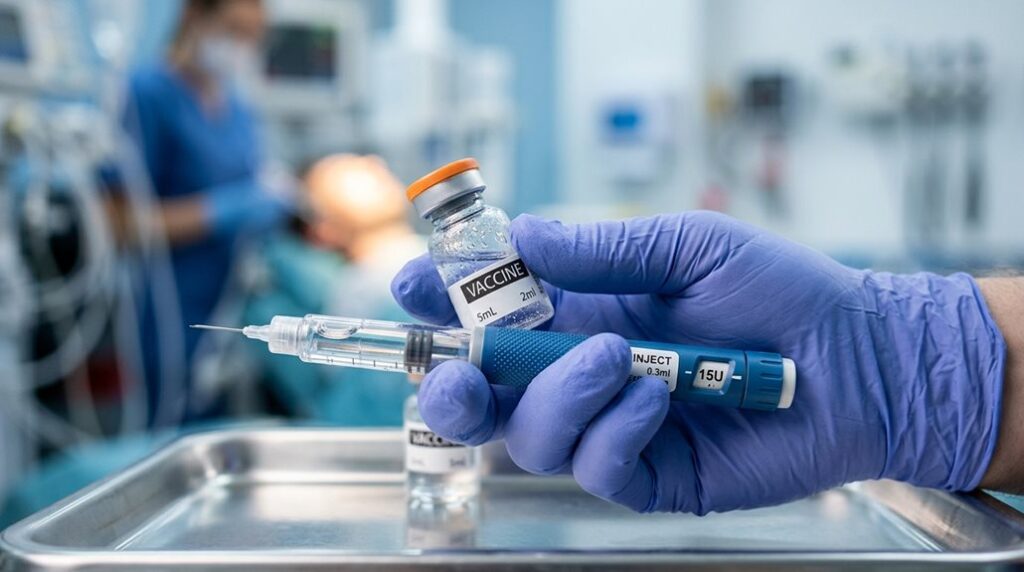
Subcutaneous injection dominates research protocols, with fine-gauge insulin syringes delivering 0.1–0.3 mL volumes into abdominal fat or thighs, usually in morning doses.
Conservative starting points range 200–500 mcg daily, advancing toward 1–2 mg across 4–8 week cycles, though no human dosing standards exist.
Known stability enhancement and the emphasis on using the HNG analog reflect a practical focus on preserving peptide integrity during handling and administration.
Humanin Side Effects and Safety: What Human Data Exists

When you’re evaluating humanin’s safety profile, you’ll quickly encounter that direct human evidence is remarkably scarce—no published Phase 1 trials have established dosing limits, organ effects, or interaction risks in controlled settings, which means nearly everything you encounter about side effects derives from animal models, mechanistic theory, or small-scale observational work measuring natural humanin levels rather than supplementation outcomes.
You might experience injection site reactions, headache, fatigue, or mild digestive upset based on limited reports, though these remain unverified by rigorous trials.
You should approach claims of established safety with caution, recognizing that serious uncertainties persist regarding long-term cancer surveillance, immune effects, and drug interactions.
Humanin vs. MOTS-c: How Mitochondrial Peptides Compare
Given these unresolved questions about humanin’s safety profile, you’re likely weighing how it stacks up against other mitochondrial-derived peptides that have emerged from aging research—particularly MOTS-c, which shares humanin’s origin in mitochondrial DNA but pursues markedly different therapeutic aims.
While humanin blocks cell death through JAK/STAT3 signaling and Bax inhibition, protecting neurons and heart tissue, MOTS-c activates AMPK to enhance insulin sensitivity and mimic exercise effects in muscle.
Humanin shows stronger neuroprotective potential, whereas MOTS-c demonstrates more robust metabolic intervention data, with both remaining preclinical candidates lacking approved human therapies. Mitrochondrial peptides provide a shared lineage but distinct pathways and outcomes that shape their therapeutic potential.
Is Humanin Legal? Clinical Trials and Regulatory Status
Where does humanin actually stand in the eyes of regulators, and what does that mean if you’re considering its use? You should know that humanin holds no FDA approval for any therapeutic indication, and no country worldwide has granted it legal status for human consumption. It’s classified strictly as a research chemical, meaning sale is permitted only under “For Research Use Only” labeling. You’re not breaking laws by possessing it privately, since it isn’t a controlled substance, but distributing or marketing humanin for human injection violates federal distribution laws. No phase 1 clinical trials have ever been completed, so no established safe dosage exists for humans. WADA bans it for competitive athletes, and the Alzheimer’s Drug Discovery Foundation confirms no controlled human safety data exists. If you’re seeking treatment, you’ll find humanin isn’t legally available as a prescription anywhere globally, leaving you with only preclinical animal studies as evidence base. Regulatory status confirms there is no approved therapeutic pathway and underscores the limitations of current human research data.
Frequently Asked Questions
Can Humanin Reverse Existing Nerve Damage?
You shouldn’t expect Humanin to reverse established nerve damage, though it may help protect surviving neurons and support recovery after injury.
Current evidence shows Humanin reduces cell death, mitochondrial dysfunction, and harmful signaling in laboratory and animal studies, but human proof of true reversal for chronic neuropathy remains lacking.
For now, it offers neuroprotective potential rather than a proven regenerative therapy for long-denervated nerves.
Does Humanin Improve Sleep Quality?
No direct evidence shows that humanin improves your sleep quality. Current research focuses on humanin’s roles in cellular protection, mitochondrial function, and neuroprotection, but sleep-specific studies with outcomes like sleep latency or total sleep time are absent.
While humanin might indirectly influence stress biology, you should view any sleep benefit as theoretical rather than proven, since clinical trials examining humanin and sleep haven’t been conducted.
Is Humanin Safe During Pregnancy?
You should avoid Humanin during pregnancy because its safety hasn’t been established in humans. While researchers have studied it in animals—finding some promising effects on gestational diabetes—no clinical trials confirm it’s safe for you or your developing baby.
The compound’s anti-apoptotic properties raise theoretical concerns about fetal development, and no data exists regarding breastfeeding. If you’re pregnant, consult your physician, and don’t use Humanin outside approved research studies.
Can Humanin Boost Athletic Performance?
You can’t rely on humanin to boost your athletic performance directly, since no clinical trials demonstrate faster speeds, greater strength, or improved endurance from taking it.
However, your body naturally produces more humanin when you exercise, and this peptide supports mitochondrial efficiency, metabolic health, and recovery—factors that may help you adapt to training over time, even if it won’t give you an immediate competitive edge.
Does Humanin Interact With Common Medications?
You should know that humanin may interact with antidiabetic medications, including insulin, metformin, and sulfonylureas, because it can improve insulin sensitivity and potentially lower blood sugar too much, which means you’ll need careful monitoring if you’re using both.
Theoretical concerns also exist with growth hormone therapy, certain cancer drugs, and immunomodulators, though no well-controlled human trials have established these interactions definitively, so you should consult your healthcare provider before combining humanin with any prescription medications.
And Finally
You’ve explored Humanin’s promising role in protecting your brain, heart, and metabolism through its unique mitochondrial mechanisms, yet you must recognize that most evidence still comes from laboratory and animal studies rather than robust human trials. While analogs like S14G-Humanin show potential for conditions such as Alzheimer’s and diabetes, you’re wise to approach this peptide cautiously until larger clinical studies confirm both its efficacy and long-term safety in people like yourself.
References
- https://pmc.ncbi.nlm.nih.gov/articles/PMC10135985/
- https://peptidesindex.com/peptide/humanin/
- https://trimrx.com/blog/humanin-complete-guide/
- https://www.peptidesinstitute.org/peptides/humanin
- https://www.frontiersin.org/journals/endocrinology/articles/10.3389/fendo.2014.00210/full
- https://www.sciencedirect.com/topics/pharmacology-toxicology-and-pharmaceutical-science/humanin
- https://formblends.com/articles/longevity-hub/humanin-peptide-guide
- https://steroidwiki.com/articles/hgh-peptides-articles/410-a-comprehensive-guide-on-humanin-hn-pe.html
- https://pepdose.com/humanin-side-effects/
- https://gero.usc.edu/2020/06/24/protein-in-mitochondria-may-regulate-health-and-longevity/