
PEG-MGF is a synthetic peptide derived from IGF-1, modified with polyethylene glycol to prolong its activity, which stimulates muscle regeneration, repair, and tissue growth. It promotes satellite cell activation, enhances protein synthesis, and supports immune function while also aiding metabolic processes like fat breakdown. Common side effects include injection site irritation and mild discomfort. Ongoing research indicates it can effectively improve recovery and tissue health, with further understanding available if you investigate more detailed information.
TLDR
- PEG-MGF is a modified IGF-1 peptide that promotes muscle regeneration, hypertrophy, and tissue repair by activating satellite cells.
- It offers benefits like faster recovery, reduced soreness, and improved muscle growth, with additional neuroprotective and cardiovascular effects.
- Side effects may include injection site irritation, nausea, joint discomfort, dizziness, and fatigue, requiring proper dosing and medical supervision.
- The mechanism involves stimulating cellular processes such as proliferation, differentiation, protein synthesis, and reducing inflammation.
- Research indicates PEG-MGF enhances muscle regeneration, supports tissue healing, and modulates immune responses during recovery.
What Is PEG-MGF and How Does It Work?

Have you ever wondered how certain compounds can extend their activity within the body, especially those involved in muscle repair and growth? PEG-MGF, a synthetic peptide derived from IGF-1, is chemically modified with polyethylene glycol to prolong its presence in circulation. This extension allows it to activate muscle stem cells and support repair processes over several days, unlike natural MGF’s brief action. Duration extension helps sustain signaling for muscle regeneration and may influence how quickly repair processes occur.
How Does PEG-MGF Promote Muscle Growth and Repair?
PEG-MGF promotes muscle growth and repair primarily by activating cellular processes that enhance tissue regeneration. It stimulates satellite cell activation and proliferation, encouraging these stem cells to migrate, fuse with damaged fibers, and differentiate into mature muscle tissue.
Additionally, PEG-MGF enhances protein synthesis, inhibits breakdown, and supports cell survival, collectively accelerating muscle repair and increasing strength. Antimicrobial and anti-inflammatory properties observed in LL-37 and KPV provide a broader context for how peptide therapies can modulate tissue environments during repair.
What Are the Main Benefits of Using PEG-MGF?
The primary benefits of using PEG-MGF center around its ability to accelerate muscle recovery, promote growth, and support tissue regeneration. It reduces muscle soreness after intense activity, speeds repair, and enhances muscle fiber density.
Additionally, PEG-MGF stimulates muscle cell proliferation, supports hypertrophy, and offers neuroprotective and cardiovascular benefits, aiding overall tissue health and recovery processes.
How Does PEG-MGF Support Tissue Healing and Joint Health?

By activating specific cellular mechanisms, PEG-MGF supports tissue healing and joint health by stimulating satellite cell activation, muscle regeneration, and protein synthesis. This accelerates recovery and enhances muscle growth. It also protects cartilage from damage caused by mechanical stress, reduces inflammation, and promotes bone regeneration. Ultimately, this helps maintain joint integrity and facilitates efficient tissue repair processes essential for overall musculoskeletal health. GLP-1 receptor activation and optimized growth factor signaling may further enhance these regenerative effects, contributing to improved outcomes in musculoskeletal healing.
How Does PEG-MGF Affect Metabolism and Immune Function?
PEG-MGF influences metabolism primarily by promoting fat breakdown and reducing cholesterol levels, which can enhance overall metabolic efficiency and support body composition goals.
It also has a limited impact on blood glucose regulation due to its minimal systemic absorption, though monitoring is advised when combined with insulin or hypoglycemic agents.
Additionally, PEG-MGF plays a role in modulating immune responses during tissue repair, helping to regulate inflammation and support immune function, which can be beneficial during recovery processes.
Thymosin Alpha-1 provides comparative context for immune-support peptides and underscores the broader research landscape surrounding peptide-based immune modulation.
Modulation of Immune Response
How does PEG-MGF influence immune function and metabolism during tissue repair processes? It reduces inflammatory cytokine expression, lowers stress-related chemokines, and may enhance immune activity during healing.
PEG-MGF also activates antioxidant pathways, protecting cells from oxidative stress, and supports satellite cell activation, which accelerates tissue regeneration.
Ultimately, this contributes to a balanced immune response and improved recovery.
Impact on Metabolic Efficiency
Understanding how PEG-MGF influences metabolic efficiency offers meaningful perspective into its role in optimizing bodily functions during tissue repair and recovery. It promotes lipid metabolism, enhances fat burning, and supports lean muscle mass by activating IGF-1 receptors.
This improves energy production, accelerates tissue regeneration, and protects cardiac cells, ultimately contributing to more efficient metabolic processes essential for overall health and physical resilience.
What Are the Potential Side Effects and Safety Tips?
While PEG-MGF offers potential benefits for muscle growth and recovery, it’s essential to recognize possible side effects and follow safety tips.
Common reactions include injection site irritation, mild nausea, joint discomfort, dizziness, and fatigue.
To reduce risks, maintain proper dosing, consult healthcare professionals, monitor health regularly, avoid overuse, and be cautious if you have pre-existing health conditions or allergies.
Medically informed safeguards also emphasize understanding individual variability in responses and the importance of evidence-based dosing strategies biological responses to minimize adverse effects.
Who Should Consider Using PEG-MGF: and Who Should Avoid It?
PEG-MGF is primarily suited for individuals who aim to enhance muscle repair, accelerate hypertrophy, and improve recovery after intense resistance training or injury. It benefits those seeking localized anabolic effects, satellite cell activation, or tissue regeneration. However, it should be avoided by individuals prone to hypoglycemia, blood pressure issues, or without proper medical supervision, to guarantee safety and appropriate use. Myostatin pathway may be a target for therapies and performance optimization, but safety considerations remain important when considering growth factor approaches.
What Does Current Research Say About PEG-MGF’s Effectiveness?
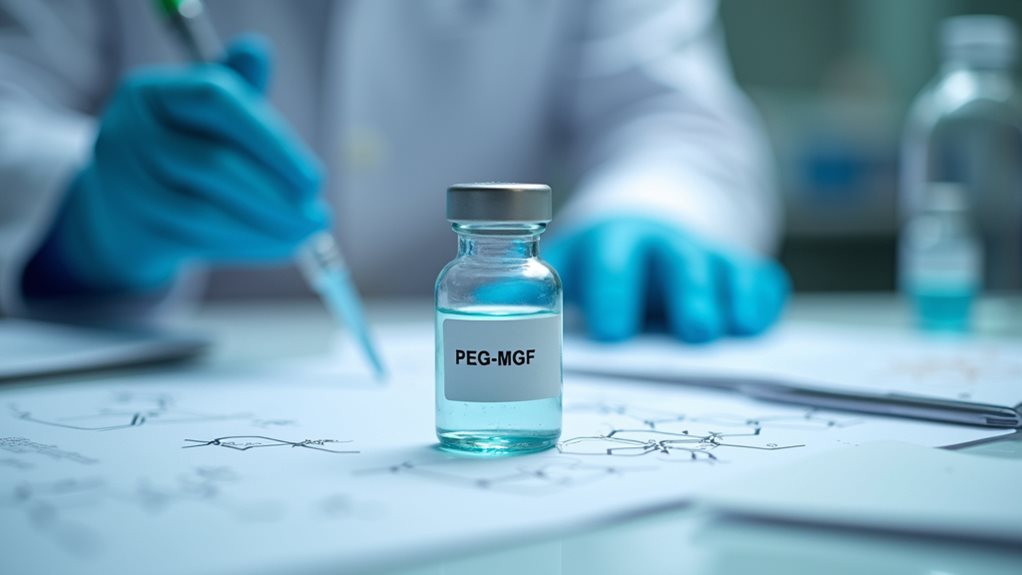
Current research indicates that PEG-MGF plays a significant role in promoting muscle regeneration and hypertrophy by activating satellite cells, which are essential for muscle growth and repair.
Studies show it stimulates muscle cell proliferation and differentiation, accelerating healing of damaged fibers, especially in younger individuals.
It may also support tissue repair beyond muscles, including bone, cartilage, and cardiac tissue, indicating broad regenerative potential.
How Is PEG-MGF Administered, and What Are Dosing Recommendations?
Understanding how PEG-MGF is administered and the appropriate dosing strategies is key to maximizing its benefits while minimizing potential risks. When used, proper administration routes include subcutaneous or intramuscular injections, with attention to timing around workouts to target specific muscle groups. dosing ranges from 100 to 500 mcg are commonly cited, and cycles often span 4 to 8 weeks, followed by rest periods to help assure safety and effectiveness.
What’s Next for PEG-MGF Research and Development?
Advancing PEG-MGF research involves addressing key areas that will influence its clinical use and regulatory approval. You need human clinical trials to establish safety and efficacy, along with pharmacokinetic data to optimize dosing and structure. Expanding applications into neuroprotection, cardiac repair, and tissue regeneration requires thorough investigation. Long-term safety profiling and standardized protocols will guarantee reliable, safe therapeutic development. Mitochondrial targeting
Frequently Asked Questions
Can PEG-MGF Be Used Safely Alongside Other Growth Factors?
You shouldn’t use PEG-MGF with other growth factors without medical supervision because it can cause additive effects, unpredictable tissue growth, and increase risks of immune reactions or hormonal imbalances. Always consult a healthcare professional before combining these therapies.
How Long Does It Take to See Muscle Growth Results?
You’ll start noticing muscle growth results typically between 3 to 6 weeks of consistent PEG-MGF use, especially with proper injection timing and training. Visible strength gains and muscle fullness become clearer as you continue your structured protocol.
Is PEG-MGF Effective for Age-Related Muscle Loss?
Currently, there’s no conclusive evidence that PEG-MGF effectively treats age-related muscle loss in humans. Animal studies show promise, but you should be cautious, as human results are unproven and research is still ongoing.
Are There Any Long-Term Health Risks Associated With PEG-MGF?
You should be aware that long-term health risks of PEG-MGF remain unclear due to limited research. Potential concerns include abnormal tissue growth, immune reactions, metabolic issues, and unknown effects on essential systems, making prolonged use risky without thorough safety data.
Can PEG-MGF Enhance Athletic Performance Beyond Muscle Repair?
Yes, peg-mgf can enhance athletic performance beyond muscle repair by increasing strength, endurance, and muscle fiber density. It supports quicker recovery, higher training volume, and improved functional capacity, helping you perform better and train more intensely.
And Finally
In summary, PEG-MGF offers potential benefits for muscle growth, tissue repair, and overall recovery, supported by ongoing research. However, it’s vital to understand its mechanisms, proper administration, and potential side effects before considering use. Consulting healthcare professionals guarantees safe, informed decisions customized to your personal needs and circumstances. Staying updated on research developments helps you make evidence-based choices, emphasizing safety and efficacy in your pursuit of physical health and tissue regeneration.




Pingback: IGF-1 vs IGF-1 LR3: Key Structural Differences