Pinealon is a synthetic peptide that interacts with DNA to support neuronal protection, neurogenesis, and cognitive function, potentially improving memory, focus, and mental clarity. While it shows promise in preclinical studies for long-term brain health, its exact mechanism—binding to DNA and influencing gene expression—remains not fully understood. Side effects are rare but can include headaches or gastrointestinal discomfort, and safety data are limited. Continuing to investigate this topic provides deeper understanding into its scientific basis and potential applications.
TLDR
- Pinealon is a synthetic peptide that promotes neuroprotection, cognitive enhancement, and supports neuronal regeneration via gene regulation.
- It may improve memory, focus, and circadian rhythms, with potential antioxidant and mitochondrial health benefits.
- Common side effects are mild, such as headaches or gastrointestinal discomfort; long-term safety data are limited.
- Its mechanism involves binding to DNA regulatory regions, altering chromatin, and activating genes related to neuronal survival.
- Research is primarily preclinical, with limited human studies; effectiveness and safety require further scientific validation.
What Is Pinealon and How Does It Work?
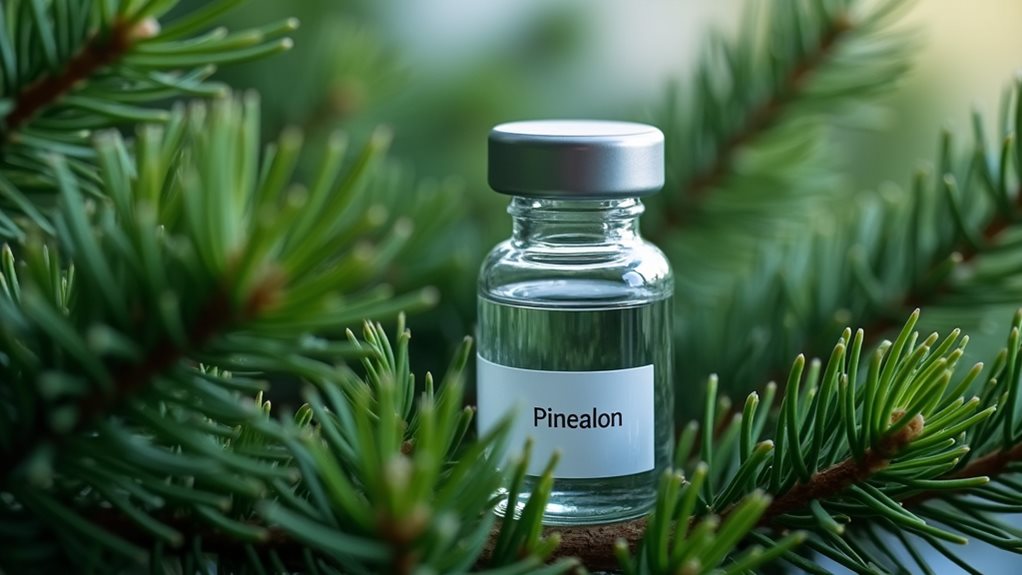
Pinealon is a synthetic peptide designed to influence specific biological functions within the brain and pineal gland. It primarily works by mimicking natural molecular processes involved in cellular regulation and neuroprotection. It interacts directly with DNA by binding to regulatory regions, activating gene expression related to neuronal activity, and restoring pineal function. This restoration helps regulate sleep, circadian rhythms, and cellular aging processes. neurogenesis regulation
How Does Pinealon Boost Brain Health and Cognitive Function?
By modulating gene expression and interacting directly with DNA, Pinealon enhances biological processes that support brain health and cognition.
It influences key genes involved in neuronal maintenance, reduces oxidative stress protecting neurons, and regulates neurotransmitters like serotonin and dopamine.
These actions improve synaptic plasticity, promote neurogenesis, and support circadian rhythm regulation, collectively elevating cognitive function and brain resilience.
Additionally, Pinealon may engage pathways linked to mitochondrial function and cellular resilience, aligning with broader neuroprotective strategies observed in peptide research. gene expression
Can Pinealon Improve Memory and Mental Clarity?
Research indicates that Pinealon can enhance memory and mental clarity by influencing gene expression and neural activity, promoting the synthesis of proteins like BDNF that support synaptic connections. It accelerates cognitive processes, improves focus within weeks, and enhances reaction times, making mental tasks easier. These effects are supported by studies showing increased recall, attention span, and overall cognitive function. Additionally, mitochondrial-centered approaches like SS-31 highlight the importance of mitochondrial health in supporting efficient energy production and neuronal resilience, which can complement Pinealon’s purported cognitive benefits by sustaining improved neural function mitochondrial support.
What Are Pinealon’s Neuroprotective Benefits for Long-Term Brain Health?

Long-term brain health depends on protecting neurons from damage and maintaining their ideal function over time. This is where neuroprotective agents like Pinealon can play a significant role. Pinealon acts as an antioxidant, reducing oxidative stress and free radical damage. It supports neuronal survival and slows age-related cognitive decline gastrointestinal and supports broader metabolic signaling pathways that influence brain function.
How Does Pinealon Interact With Genes and Brain Cells?
Pinealon’s ability to influence gene activity and interact directly with brain cells hinges on its unique capacity to engage with genetic material at the molecular level. It binds specifically to DNA regions that regulate neuroprotective genes. It crosses cell and nuclear membranes, and alters chromatin structure. This process upregulates gene expression, supporting neuronal survival, plasticity, and overall brain health. Chromatin remodeling is a key mechanism by which these effects unfold, reflecting the way peptides can influence cellular states through structural changes in DNA packaging.
Are There Any Side Effects or Safety Concerns With Pinealon?
Although Pinealon is generally considered safe based on available data, it’s important to understand that its safety profile is still being evaluated. Some potential side effects and concerns have been documented. Mild, transient effects like headaches, dizziness, and gastrointestinal discomfort are common, while injection site reactions and allergic responses are rare. Long-term safety and thorough human studies remain limited. Additionally, research emphasizes evaluating biological responses and safety considerations to understand potential risks, especially with varying dosages and durations. biological responses
What Does Current Research Say About Pinealon’s Effectiveness?
Current research on Pinealon’s effectiveness remains primarily in the preclinical stage, with limited clinical data available in humans.
While animal studies show cognitive improvements, neuroprotection, and potential regenerative effects, no large-scale human trials confirm these benefits.
Evidence suggests promise, but definitive findings require further research to establish safety, efficacy, and mechanisms in human populations.
Telomerase activation and circadian regulation may underlie some observed effects in cellular models, though translation to humans remains unproven. telomerase activation
What Are the Limitations of Existing Pinealon Studies?
Despite growing interest in Pinealon as a potential therapeutic agent, the existing studies examining its effects in humans face significant limitations that hinder establishing clear determinations about its safety and efficacy. Currently, no randomized controlled trials or extensive safety assessments exist, and all research originates from a single group, making independent validation and long-term safety data unavailable. This concentration of research raises concerns about reproducibility and generalizability of any observed outcomes melanin modulation and underscores the need for independent replication and broader population sampling to confirm findings. This situation limits confidence in its clinical use.
Is Pinealon Right for You? Factors to Consider Before Trying It
Before considering pinealon, it’s important to evaluate your personal health conditions, as certain underlying issues may influence its safety or effectiveness, especially in cases of cognitive decline or sleep disturbances.
You should also review any existing medications you take, since interactions could alter pinealon’s actions or pose risks, particularly with drugs that affect neurochemistry or metabolic processes.
Additionally, understanding the current scientific evidence, which primarily relies on preclinical and limited human studies, can help you make an informed decision about whether pinealon aligns with your health goals and expectations. In this context, research on N-Acetyl Semax and Semax provides insights into stability and neural effects that may inform expectations for pinealon’s potential benefits and limitations. research insights
Personal Health Conditions
When considering whether Pinealon is suitable for your personal health conditions, it’s essential to evaluate your neurological, sleep, and aging-related concerns.
Additionally, consider any underlying health issues that may influence its safety or effectiveness.
For example, those with neurodegenerative diseases, sleep disorders, or age-related decline might benefit, but individual responses vary.
Therefore, consulting a healthcare professional is recommended.
Existing Medications Interactions
Since Pinealon interacts with various biological systems, it’s important to carefully consider how it might affect any medications you’re currently taking.
Potential interactions include blood thinners, psychotropic drugs, immune therapies, hormone treatments, gene expression modulators, anticonvulsants, and circadian rhythm medications.
These interactions could alter drug efficacy or increase side effects, so consulting a healthcare professional before use is essential.
Scientific Evidence Strength
Evaluating whether Pinealon is appropriate for your needs requires a careful assessment of the scientific evidence supporting its use.
Currently, there are no rigorous human clinical trials, and existing studies lack controls, randomization, and independent verification.
While preclinical data suggests potential benefits, these findings haven’t been confirmed in humans, and long-term safety remains uncertain.
Frequently Asked Questions
Is Pinealon Safe for Long-Term Use in Humans?
Pinealon’s long-term safety in humans isn’t established yet; you should be cautious, as there’s limited data beyond several months, and its use remains experimental. Always consult a healthcare professional before considering prolonged or off-label use.
How Does Pinealon Compare to Other Neuroprotective Peptides?
You’ll find Pinealon more effective and safer than many neuroprotective peptides because it targets gene regulation directly, reduces oxidative stress, promotes neuronal growth, and has minimal side effects, making it suitable for long-term brain health support.
Can Pinealon Be Used Alongside Other Cognitive-Enhancing Treatments?
Yes, you can use Pinealon with other cognitive treatments. It supports brain health and neuroprotection without interfering with short-term enhancers like caffeine, making it a flexible addition to your routine for improved memory, sleep, and neuroplasticity.
What Are the Potential Risks of Off-Label Pinealon Use?
You risk unknown safety issues, unverified purity, and unestablished dosing. Without medical oversight, you might experience allergic reactions, neurological symptoms, or systemic reactions, and could face legal consequences due to using an unapproved, unregulated product.
When Will More Comprehensive Human Clinical Trials Be Available?
More extensive human trials won’t be available until researchers conduct Phase 1 safety studies, secure funding, and obtain regulatory approval, which could take several years. You should stay informed about official updates from reputable sources.
And Finally
Pinealon shows promise as a neuroprotective agent that may support cognitive function and long-term brain health, but current research remains limited, and individual responses can vary. Before considering its use, you should evaluate potential benefits against possible side effects and consult healthcare professionals for personalized guidance. Understanding the mechanisms, research evidence, and safety considerations guarantees an informed decision, enabling you to approach Pinealon with a balanced outlook grounded in scientific knowledge.
References
- https://pmc.ncbi.nlm.nih.gov/articles/PMC3342713/
- https://www.youtube.com/watch?v=PFB00eiUf90
- https://www.innerbody.com/pinealon
- https://aminoinnovations.com/pinealon-peptide-benefits-guide/
- https://superpower.com/guides/pinealon
- https://www.thepreptide.com/pinealon
- https://www.paragonsportsmedicine.com/peptides/pinealon
- https://youthandearth.com/blogs/learninghub/unlocking-brain-health-how-pinealon-could-boost-your-longevity
- https://jaycampbell.com/peptides/pinealon-peptide-bioregulator/
- https://bc9.co/pinealon-peptide-benefits-and-potential-side-effects/