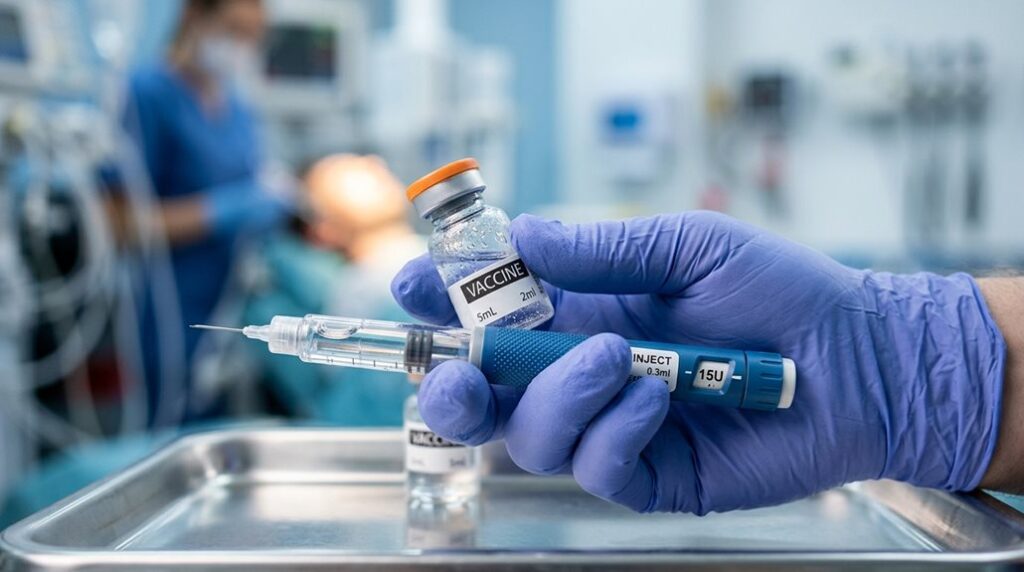
Hexarelin is a synthetic peptide that stimulates your pituitary gland to release growth hormone by binding to GHS-R1a receptors, triggering a cellular cascade that elevates calcium and activates protein kinase C, which drives pulsatile GH secretion within minutes. You’ll find research-backed effects including modest lean mass gains, reduced visceral fat, improved glucose tolerance, and lower inflammatory markers like IL-6 and TNF-alpha, though long-term therapeutic benefits remain unproven and cardiovascular findings are mainly preclinical. Be aware that daily use causes receptor desensitization after 10–14 days, requiring careful cycling, while common side effects include edema, hormonal shifts, and numbness. If you’re considering hexarelin for growth modulation, metabolic health, or recovery support, you’ll want to understand how its mechanism translates—or doesn’t—into sustained outcomes.
TLDR
- Hexarelin stimulates growth hormone release via GHS-R1a receptor activation and IP₃/DAG signaling.
- Clinical trials show 0.9–1.2 kg lean mass gains over 8–12 weeks through IGF-1 and mTORC1 pathways.
- Metabolic benefits include lipolysis, improved glucose tolerance, and 35–40% reduction in IL-6 and TNF-alpha.
- Common side effects encompass edema, hormonal shifts, injection reactions, and receptor desensitization after 10–14 days.
- Contraindications include active cancer, uncontrolled diabetes, severe cardiovascular disease, and pregnancy due to safety concerns.
What Is Hexarelin? A Quick Overview for New Readers
Hexarelin is a synthetic hexapeptide, meaning it’s a lab-created chain of six amino acids designed to stimulate growth hormone pathways. You’ll find it classified as a growth hormone-releasing peptide, or GHRP, which acts as a ghrelin analog by binding to growth hormone secretagogue receptors in your pituitary and hypothalamus. Unlike naturally occurring hormones, hexarelin is engineered for research purposes, not medical treatment, and it remains unapproved for human use despite its evaluation in clinical trials for growth hormone deficiency and cardiovascular conditions. growth hormone pathways
How Hexarelin Triggers Growth Hormone Release
Hexarelin’s GH-releasing power is further enhanced when it can engage GHRPs to amplify pulsatile signaling without causing sustained, non-physiologic GH surges GHRH analogs to drive a more natural rhythm.
GHS-R1a Activation Pathway
How exactly does a small synthetic peptide coax your pituitary gland into releasing growth hormone?
Hexarelin binds your GHS-R1a receptor—expressed densely on pituitary somatotrophs—with nanomolar affinity, roughly 0.8 nM, activating Gαq/11 proteins that trigger phospholipase C.
This generates IP₃ and DAG, second messengers that release intracellular calcium, fuse hormone vesicles, and exocytose growth hormone within minutes, independently of GHRH signaling.
Intracellular Signaling Cascade
Once hexarelin locks onto your GHS-R1a receptor, you’re witnessing the beginning of a precisely choreographed molecular sequence that transfigures a simple binding event into a measurable surge of growth hormone.
Your Gαq/11 proteins activate phospholipase C, generating IP₃ and DAG. IP₃ triggers rapid calcium release from endoplasmic reticulum stores within seconds, while DAG recruits protein kinase C. This dual signaling—calcium-driven vesicle fusion plus PKC-mediated membrane priming—launches pre-formed growth hormone exocytosis within minutes, delivering that characteristic sharp, pulsatile spike independent of GHRH pathways.
Pituitary Stimulation Mechanism
Although the intracellular cascade reveals what happens inside a single cell, understanding how hexarelin actually triggers growth hormone release requires stepping back to examine where this process begins: your pituitary gland. Hexarelin binds directly to GHS-R1a receptors on somatotroph cells, activating a potent, pulsatile GH secretion without requiring the classical GHRH pathway, though hypothalamic GHRH release and an unidentified synergistic factor may amplify this response in adults.
Hexarelin’s Effects on Muscle, Fat, and Recovery
Why does Hexarelin command attention among researchers and clinicians examining performance enhancement? You’ll find it drives lean mass gains of 0.9–1.2 kg over 8–12 weeks by elevating protein synthesis through IGF-1 and mTORC1 activation. Additionally, hexarelin is discussed in the context of GH/IGF-1 axis considerations that may influence connective tissue and neural plasticity, highlighting potential systemic effects beyond muscle alone Growth hormone axis.
Hexarelin Side Effects: Edema, Hormonal Changes, and Numbness

You’ll want to understand that hexarelin’s most frequently reported adverse reactions include fluid retention, hormonal shifts affecting cortisol and prolactin, and tingling or numbness in the extremities, all of which are generally described as mild and reversible in research summaries. While these effects may sound concerning, they’re typically dose-dependent and transient, meaning they often resolve on their own or with adjusted dosing rather than persisting indefinitely. By recognizing these patterns early, you can better distinguish between expected, manageable responses and signs that warrant closer attention from a qualified professional. Growth Hormone insights from clinical studies further support that monitoring for these effects helps guide safe usage.
Common Adverse Reactions
What should you anticipate if you’re considering hexarelin therapy? You’ll likely experience fluid retention, which often manifests as mild bloating or swelling in your limbs, particularly during early adaptation phases. Tingling or numbness may develop in your extremities, sometimes progressing to carpal tunnel syndrome when water retention compresses nerves.
Joint discomfort and muscle aches frequently accompany tissue expansion, while injection site reactions include localized redness and irritation.
Hormonal Disruptions
Several hormonal shifts accompany hexarelin use, and you’re wise to understand these mechanisms before beginning therapy. Hexarelin elevates prolactin and cortisol, which may cause gynecomastia, reduced libido, menstrual irregularities, sleep disturbance, and blood pressure changes, with higher doses intensifying these effects. Prolonged exposure leads to desensitization, diminishing growth hormone response over time, making continuous long-term use inadvisable for stable hormonal support.
Neurological Symptoms
Beyond hormonal shifts, hexarelin’s influence on the nervous system warrants careful attention, as the peptide’s activation of ghrelin receptors produces effects that extend well into neurologic territory. You may experience tingling, numbness, headache, or dizziness—these typically mild, transient symptoms reflect fluid retention and cortisol elevation rather than direct neurotoxicity. Most cases resolve with dose adjustment or discontinuation, offering reassurance that serious neurologic harm remains uncommon in documented use.
The Desensitization Problem: Why Hexarelin Stops Working
Why does Hexarelin’s powerful growth hormone surge fade so quickly, leaving you with diminished returns despite continued dosing? The culprit is GHS-R1a receptor desensitization, a form of tachyphylaxis where repeated activation blunts your pituitary’s responsiveness.
Within 10–14 days of daily use, you may see 50–60% reduced GH pulses.
Recovery takes 6–12 hours between doses, making cycling essential for preserving sensitivity. Additionally, research into receptor dynamics shows that receptor desensitization involves regulatory processes at the GHS-R1a site, which can influence the duration and magnitude of GH release. receptor dynamics
Hexarelin for Heart Health: What Research Actually Shows
While you might associate Hexarelin primarily with its growth hormone-releasing properties, the compound’s effects on cardiovascular function represent one of the more thoroughly investigated—and potentially most clinically relevant—dimensions of its pharmacology. growth hormone signaling and its downstream pathways play a role in mediating some of these cardiovascular effects, expanding the scope of Hexarelin’s potential therapeutic applications. Research demonstrates acute improvements in cardiac output and ejection fraction within minutes, alongside protective effects against fibrosis, ischemia-reperfusion injury, and adverse post-MI remodeling through GHS-R1a and CD36 receptor activation.
Metabolic Benefits: Fat, Glucose, and Inflammation
The cardiovascular protective effects you just reviewed share common molecular ground with Hexarelin’s metabolic actions, particularly through the CD36 receptor and PPAR-gamma signaling pathways that govern both cardiac and adipose tissue function.
Hexarelin also modulates adipokine signaling and may influence brown adipose tissue activity, contributing to energy balance and metabolic resilience. PPAR-gamma signaling underpins both lipid handling and inflammatory regulation, linking metabolic and cardiovascular benefits. You’ll find that Hexarelin stimulates lipolysis, reduces visceral fat, and improves glucose tolerance without altering insulin levels. It also lowers pro-inflammatory cytokines IL-6 and TNF-alpha by 35-40%, enhances cholesterol efflux via ABCA1 and ABCG1 transporters, and activates HDL pathways through the PPAR-gamma-LXR-alpha cascade, offering comprehensive metabolic support.
Who Shouldn’t Use Hexarelin (Research Safety Guidelines)
Given the breadth of Hexarelin’s physiological effects—from growth hormone release to metabolic modulation and cardiovascular influence—you’ll naturally want to know whether this compound aligns with your individual health circumstances before considering any research application. Additionally, the evidence base for hexarelin in healthy adults is limited and not indicative of substantial hypertrophy or performance gains, so any consideration should be tempered by this context and professional medical oversight. growth hormone signaling remains a theoretical concern for tumor growth, reinforcing the need for careful risk assessment before use. You shouldn’t use Hexarelin if you have active cancer or a history of malignancy, since growth hormone signaling may theoretically support tumor growth. Avoid it during pregnancy or breastfeeding due to insufficient safety data. Skip it with uncontrolled diabetes, especially HbA1c above 8.5% or diabetic retinopathy, and with severe cardiovascular disease like NYHA Class III–IV heart failure, recent heart attack, or unstable arrhythmias. Children and adolescents require specialized supervision.
What Hexarelin Research Actually Proves (and What’s Still Uncertain)
How much do you really know about what hexarelin can—and can’t—do? Research confirms it reliably stimulates growth hormone release through GHS-R signaling, with dose-dependent effects in humans and animals, though long-term therapeutic benefits remain unproven. In addition, injury repair and tissue recovery pathways may be influenced indirectly through growth-hormone–mediated processes, but direct clinical translation for recovery outcomes remains unproven. GH-axis support and metabolic signaling are involved, yet cardiovascular, metabolic, and neuroprotective findings are promising but confined to preclinical models, leaving clinical translation uncertain. Desensitization patterns vary by dosing schedule, and durability questions persist.
Frequently Asked Questions
Is Hexarelin Legal to Buy or Possess?
You can legally buy and possess hexarelin in the United States only for research purposes, as it isn’t FDA-approved for human use and not a DEA-controlled substance.
However, purchasing it for personal consumption, performance enhancement, or anti-aging is legally risky and violates federal food and drug laws.
You must obtain it through licensed research suppliers, guarantee your intended use complies with local regulations, and recognize that importing it may require specific permits depending on your jurisdiction.
How Does Hexarelin Compare to HGH Injections?
Hexarelin stimulates your pituitary gland to release its own growth hormone in pulses, while HGH injections deliver synthetic hormone directly, bypassing your body’s natural mechanisms.
You’ll find hexarelin produces more physiological, wave-like GH patterns, whereas injections create steadier, more predictable levels.
Hexarelin’s effects depend on your pituitary function, making it less reliable if that system is compromised, though it avoids the legal and sourcing challenges of pharmaceutical HGH.
What’s the Optimal Hexarelin Dosing Protocol?
You should start with 100 mcg subcutaneously once daily on an empty stomach, preferably 30–60 minutes before your first meal or 2–3 hours after eating if dosing at bedtime.
Once you’ve assessed tolerance, you may increase to 100 mcg twice daily, spacing doses 6–8 hours apart.
Limit each cycle to 4–6 weeks, followed by 2–4 weeks off to prevent receptor desensitization and maintain effectiveness.
Can Hexarelin Be Stacked With Other Peptides?
Yes, you can stack hexarelin, but you’ll want to pair it with a GHRH analog like CJC-1295 rather than another GHRP. When you combine hexarelin, which targets the ghrelin receptor, with CJC-1295, which acts on the GHRH receptor, you create complementary pathways that boost both GH pulse amplitude and frequency.
You should avoid stacking hexarelin with other GHRPs like GHRP-2 or ipamorelin, since they compete for the same receptor and reduce effectiveness by 35–48%.
Always seek medical supervision for any peptide stack.
Does Hexarelin Require Refrigeration for Storage?
Yes, you must refrigerate hexarelin after reconstitution, keeping it at 2–8°C for up to 28–30 days to maintain potency.
Before mixing, store the lyophilized powder frozen at −20°C or below, where it remains stable for 12–36 months.
Avoid room temperature, as heat and fluctuations accelerate degradation, and protect from light and moisture throughout storage to preserve effectiveness.
And Finally
You’ve now investigated hexarelin’s mechanisms, benefits, and limitations, from growth hormone release to cardiac research and desensitization risks. While studies show promise for muscle preservation, fat metabolism, and heart protection, much remains uncertain, and you shouldn’t view this peptide as a proven therapy. If you’re considering use, consult qualified clinicians, weigh the evidence carefully, and prioritize safety over speculative benefits, since responsible decisions depend on understanding both what research confirms and what it merely suggests.
References
- https://www.peptidejournal.org/peptides/hexarelin-potent-ghrp-research-profile
- https://pmc.ncbi.nlm.nih.gov/articles/PMC5659698/
- https://academic.oup.com/jcem/article/83/5/1644/2865542
- https://pmc.ncbi.nlm.nih.gov/articles/PMC4178518/
- https://medisearch.io/blog/hexarelin-a-comprehensive-overview
- https://www.sciencedirect.com/topics/neuroscience/hexarelin
- https://peptidescholar.com/nl/peptides/hexarelin
- https://www.peptides.org/hexarelin-side-effects/
- https://www.paragonsportsmedicine.com/peptides/hexarelin
- https://pdfs.semanticscholar.org/fe06/4cbea525e5834cda43c6deee81d59890000f.pdf